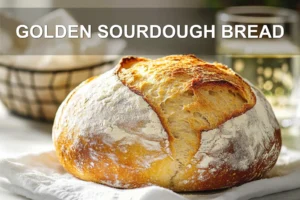
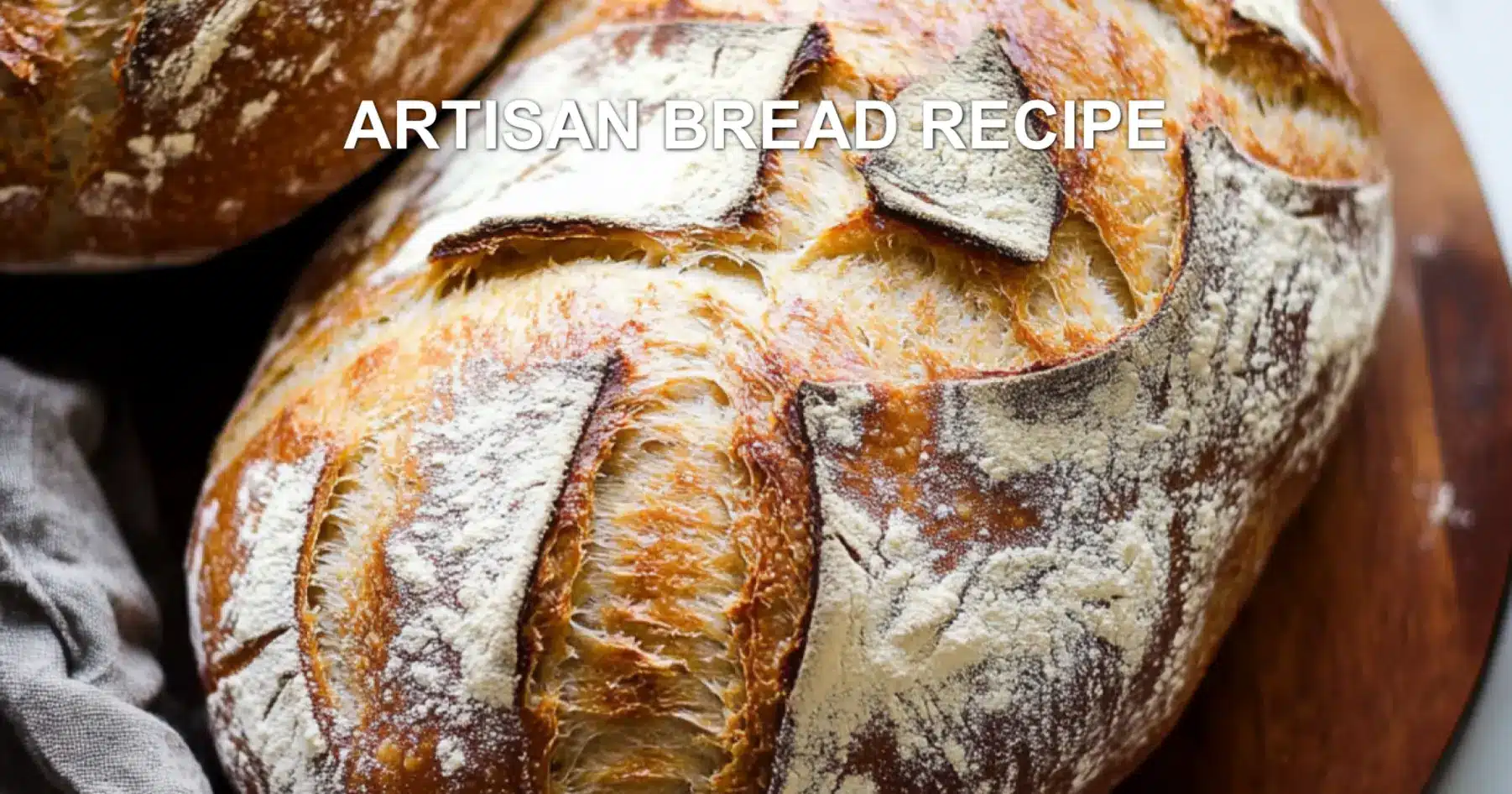
There’s something almost magical about pulling a golden, crackly loaf from your own oven. The smell fills every corner of the house. Artisan bread recipe techniques used to feel out of reachlike something only bakers with stone hearths could pull offbut they’re surprisingly simple once you know the rhythm.
I started testing no-knead methods back in 2018 after a trip to a small bakery in Provence, where the baker told me patience does more than kneading ever could. That first loaf cracked open with a sound I’ll never forgetloud, crisp, perfect. After a decade of food writing and dozens of flour-dusted counters, I’ve learned that great crust comes down to three things: time, steam, and a hot Dutch oven.
PrintEasy Artisan Bread Recipe for Fresh Homemade Loaves
This Artisan Bread Recipe is perfect for beginners wanting fresh homemade loaves. Follow easy steps to create delicious crusty bread with simple ingredients. Enjoy baking your own Artisan Bread Recipe at home any day.
- Prep Time: 4 hours
- Cook Time: 25 minutes
- Total Time: 4 hours, 25 minutes
- Yield: 2 8-inch loaves 1x
- Method: Baked
Ingredients
- 3 and 1/4 cups about 430g bread flour spooned & leveled plus more for hands and pan
- 2 teaspoons about 6g instant yeast
- 2 teaspoons about 9g coarse salt see note
- 1 and 1/2 cups 360ml water close to room temperature at about 70°F 21°C
- optional cornmeal for dusting pan
Instructions
- In a large bowl that is not greased, mix the flour, yeast, and salt well.
- Slowly add water and stir gently with a silicone spatula or wooden spoon until the dough is moist but sticky.
- Form the dough into a ball inside the bowl.
- Cover the dough with plastic wrap or foil tightly and leave it on the counter at room temperature for 2 to 3 hours until it nearly doubles in size and bubbles appear.
- For best taste and texture, place the covered dough in the refrigerator for 12 to 72 hours, allowing it to puff then possibly deflate slightly.
- Dust a large baking sheet with flour or cornmeal and turn the cold dough onto a floured surface.
- Cut the dough into two halves, reshape each with floured hands into 9 inch by 3 inch loaves and place them on the prepared sheet about 3 inches apart.
- Cover the loaves loosely and let them rest for 45 minutes while preheating the oven to 475°F 246°C.
- Score the loaves with three slashes about half an inch deep before baking.
- Optional – place a pan with boiling water at the bottom oven rack to create steam for a crisper crust.
- Bake the bread on the center rack for 20 to 25 minutes until golden brown and hollow sounding when tapped, or until an instant read thermometer registers 195°F 90°C inside.
- Let the bread cool for at least 20 minutes before slicing and serving.
Notes
- For crisp tops, broil 2–3 minutes at the end
Nutrition
- Serving Size: 2 slices
- Calories: 136
- Sugar: 0.1 g
- Sodium: 389.8 mg
- Fat: 0.7 g
- Carbohydrates: 27.2 g
- Protein: 4.7 g
- Cholesterol: 0 mg
Why You’ll Love This Homemade Artisan Bread
This recipe transforms four humble ingredients into bakery-quality loaves without kneading or fancy equipment. The slow rise builds flavor naturally, while the high oven heat creates that signature crackly crust we all crave.
- No kneading required: Just stir the dough and let time do the work
- Flexible timing: The dough can rest in your refrigerator for up to 3 days, fitting your schedule
- Beginner-friendly: Even if you’ve never worked with yeast before, this method is forgiving and reliable
- Two beautiful loaves: Perfect for sharing, freezing, or slicing fresh all week long
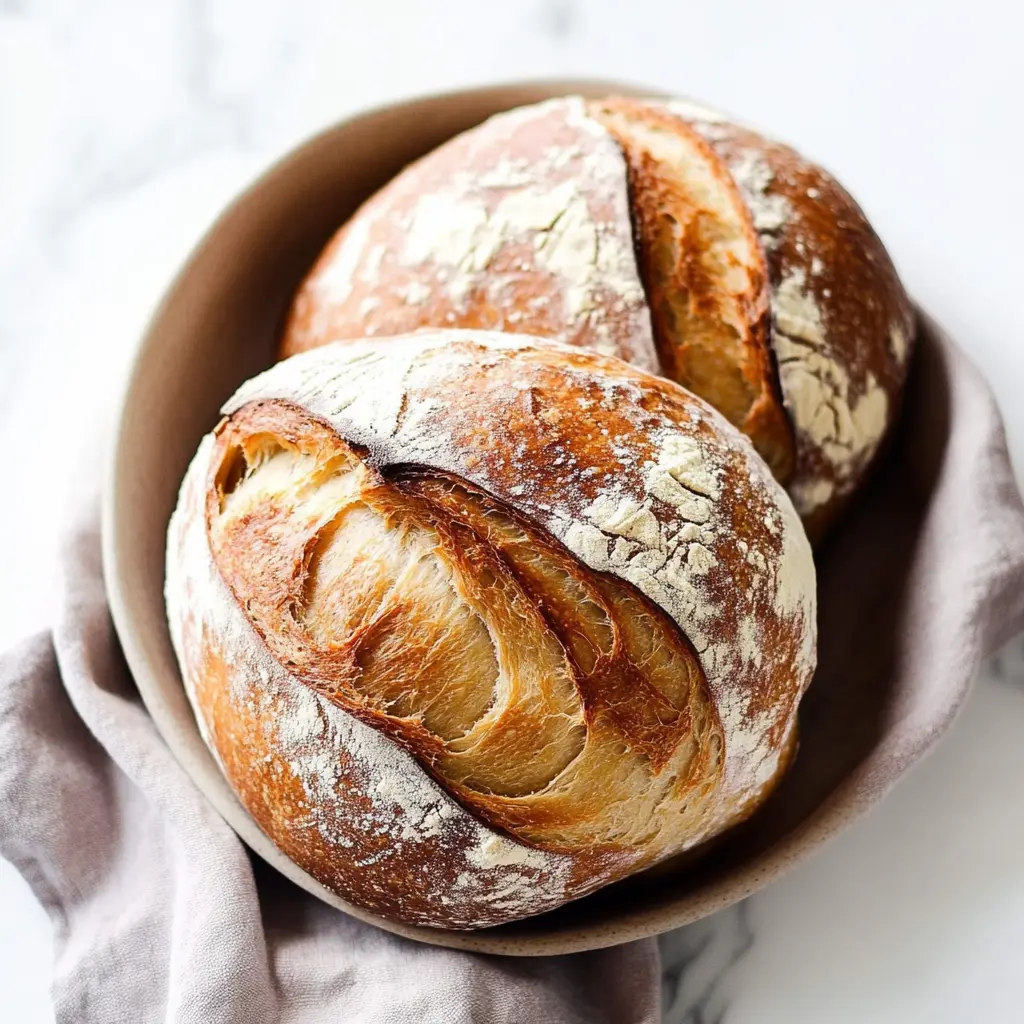
The trick I learned after years of testing? Cold dough straight from the refrigerator bakes up with deeper flavor and better texture than dough baked immediately after rising.
Key Ingredients You’ll Need
Every ingredient plays a specific role in building flavor and structure. Here’s what makes this artisan bread recipe work so beautifully:
- Bread flour: Higher protein content creates chewier texture and better crustworth seeking out over all-purpose
- Instant yeast: Fast-acting and reliable, no need to proof it first
- Coarse salt: Sea salt or kosher salt adds better flavor distribution than fine table salt
- Room temperature water: Around 70°F keeps the yeast happy without shocking it
- Cornmeal (optional): Prevents sticking and adds a rustic touch to the bottom crust
| Ingredient | Why It Matters | Swap Option |
|---|---|---|
| Bread flour | Creates chewy texture | All-purpose flour (slightly less chewy) |
| Instant yeast | Faster, more reliable rise | Active dry yeast (same amount, longer rise) |
| Coarse salt | Better flavor distribution | Fine salt (use 1½ tsp instead) |
| Cornmeal | Prevents sticking | Extra flour works fine |
How the Dough Comes Together
The beauty of this method lies in its simplicity. You’ll whisk the dry ingredients, pour in the water, and stir until everything comes together into a shaggy, sticky dough. It won’t look smooththat’s exactly right.
After the initial 2-3 hour rise at room temperature, the dough transforms into a bubbly, alive mixture. Then comes the secret: a long, cold rest in the refrigerator. This overnight chill (12 hours to 3 days) develops complex flavors you simply can’t rush. The dough will puff up, and it might start to deflate after two daysboth are normal and nothing to worry about.
When you’re ready to bake, you’ll divide the cold dough, shape it gently on a floured surface, and let it rest one more time while the oven preheats. This final 45-minute rest relaxes the gluten and gives the loaves their structure.
Baking for That Perfect Crust
High heat and steam are your best friends here. Preheating the oven to 475°F creates intense heat that sets the crust quickly, while the optional steam trickpouring boiling water into a pan on the bottom rackkeeps the surface moist just long enough for maximum oven spring.
Scoring the loaves with three shallow slashes isn’t just decorative. Those cuts guide where the bread expands, preventing random cracks and creating that artisan bakery look. Use a very sharp knife, bread lame, or even kitchen shearswhatever gives you a confident, quick cut.
Pro Tip: The loaves are done when they sound hollow when tapped and reach an internal temperature of 195°F. This takes 20-25 minutes, but trust your senses over the clock.
Troubleshooting Common Questions
- Dough too sticky to handle? Dust your hands and work surface generously with floursticky dough is normal and creates those beautiful air pockets
- Loaves spreading flat? The dough may have over-proofed or needs colder handling; reshape with floured hands before baking
- Crust not crispy enough? Make sure your oven is fully preheated and consider the steam method for extra crunch
- Bread too dense? Check your yeast freshness and make sure the dough doubled during the first rise
How to Store and Enjoy Your Loaves
Let the bread cool for at least 20 minutes before slicingcutting too early releases steam and makes the interior gummy. Once cooled, store loosely covered at room temperature for up to 5 days, or refrigerate for a week.
| Storage Method | Duration | Best For |
|---|---|---|
| Room temperature (loosely covered) | Up to 5 days | Daily slicing and toasting |
| Refrigerator (wrapped) | Up to 1 week | Longer freshness, great toasted |
| Freezer (whole or sliced) | Up to 3 months | Make-ahead convenience |
To freeze, let the baked loaves cool completely, wrap tightly, and store in a freezer-safe container. Thaw at room temperature before serving, or toast slices directly from frozen.
Creative Variations to Try
Once you’ve mastered the basic loaves, the flavor possibilities open up beautifully. Before adding the water in step one, stir any of these combinations into your dry ingredients:
- Rosemary garlic: 4 cloves minced garlic plus 3 tablespoons chopped fresh rosemary
- Cheese bread: 1 cup shredded cheese (cheddar, gruyère, or parmesan work wonderfully)
- Cranberry walnut: ¾ to 1 cup dried cranberries and chopped nuts
- Herb garden: 3 tablespoons of your favorite fresh chopped herbs
- Spicy kick: One diced jalapeño for subtle heat throughout
You can also shape the dough into one round boule instead of two loaves, or bake it in a preheated Dutch oven for an even crustier result.
Dive into more delectable recipes and culinary ideas follow me on Facebook, Pinterest and Reddit!
FAQs ( Artisan Bread Recipe )
Why does this bread only need 4 ingredients?
Traditional bread-making relies on flour, water, salt, and yeast – that’s all you need for amazing results. The long fermentation process develops complex flavors naturally without additives. Time and technique replace the need for extra ingredients, creating a crusty exterior and chewy interior that rivals bakery loaves.
How long does the dough need to rise?
The initial rise takes 12-18 hours at room temperature for best flavor development. After shaping, allow a second rise of 2-3 hours. This slow fermentation is key to developing the signature tangy flavor and open crumb structure that makes this recipe special.
Do I need a Dutch oven to bake this bread?
A Dutch oven creates the best crust by trapping steam, but you can use alternatives. Try placing a metal pan of boiling water on the oven bottom, or cover the loaf with an inverted metal bowl for the first 30 minutes. The steam helps develop that coveted crispy crust.
Why is my bread dense instead of airy?
Dense bread usually results from insufficient fermentation time or over-kneading the wet dough. This recipe requires minimal mixing – just enough to combine ingredients. Let time do the work instead of your hands, and ensure your yeast is fresh and active for proper rise.
Can I make this recipe in different shapes?
Absolutely! Shape it into rolls, baguettes, or even pizza dough after the first rise. Adjust baking times accordingly – smaller shapes need 15-25 minutes while larger loaves require 35-45 minutes. The versatile dough adapts well to different forms while maintaining its rustic character.
Your Kitchen Just Became a Bakery
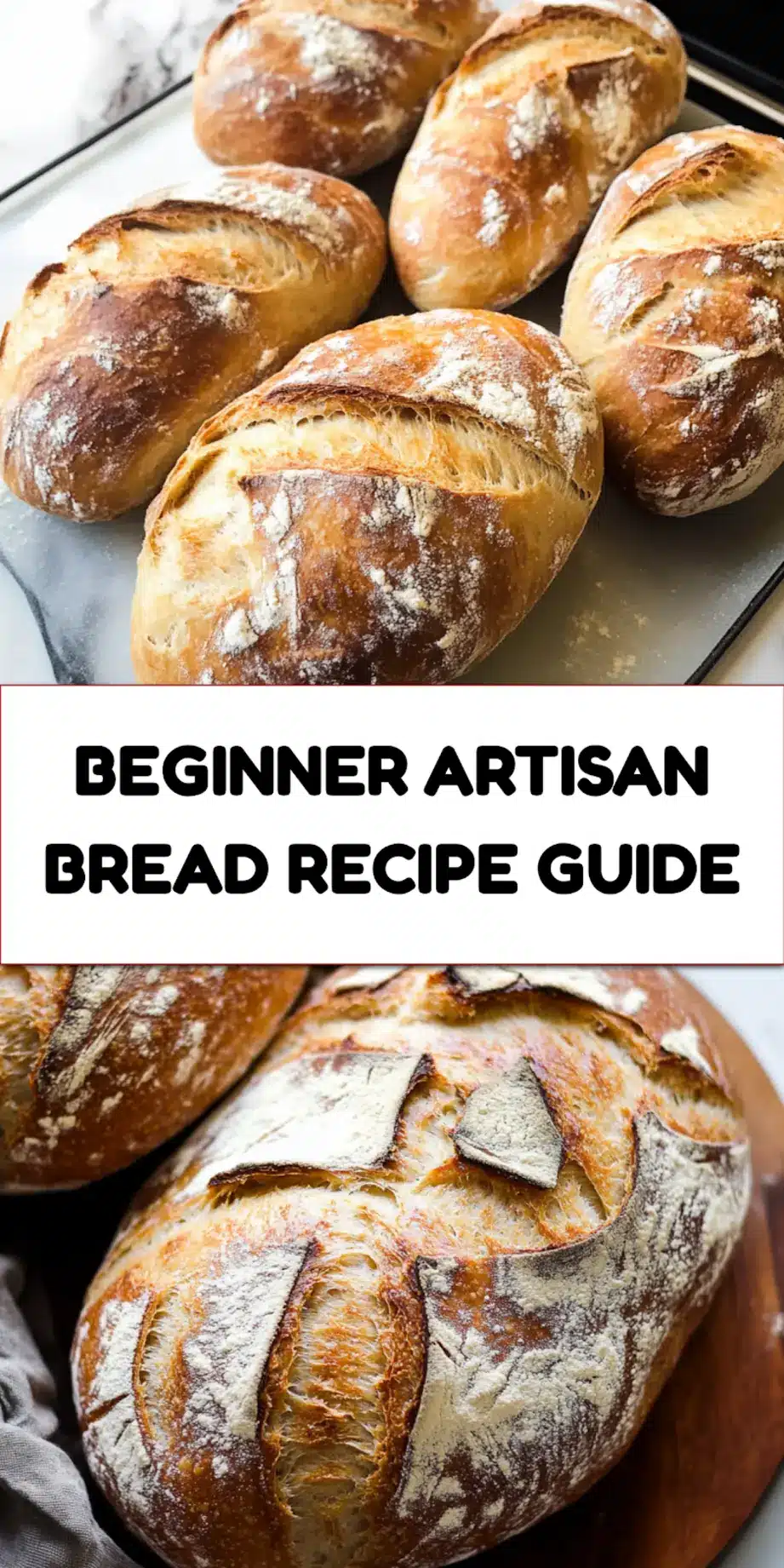
This artisan bread recipe gives you two crackling, golden loaves with minimal active work. The rest? Just patient rising time that builds deep, yeasty flavor you can taste in every bite. You’ll love how the crust shatters under your knife and the soft, hole-filled crumb inside soaks up butter like a dream.
Once you’ve nailed the basic loaves, play with flavor. I love tucking fresh thyme and cracked black pepper into the dough before the first riseit’s a trick I picked up testing herb pairings. Try swapping half the water for beer for maltier depth, or brush the hot loaves with garlic butter right out of the oven. Leftover bread freezes beautifully and makes incredible French toast when thawed and sliced thick.
I’d love to see your loavestag me with a photo or tell me which variation you tried first. Did your kitchen smell as good as mine does right now? Save this recipe for the next time you want to impress someone, or just treat yourself to the simple magic of warm, homemade bread. Happy baking, friend.