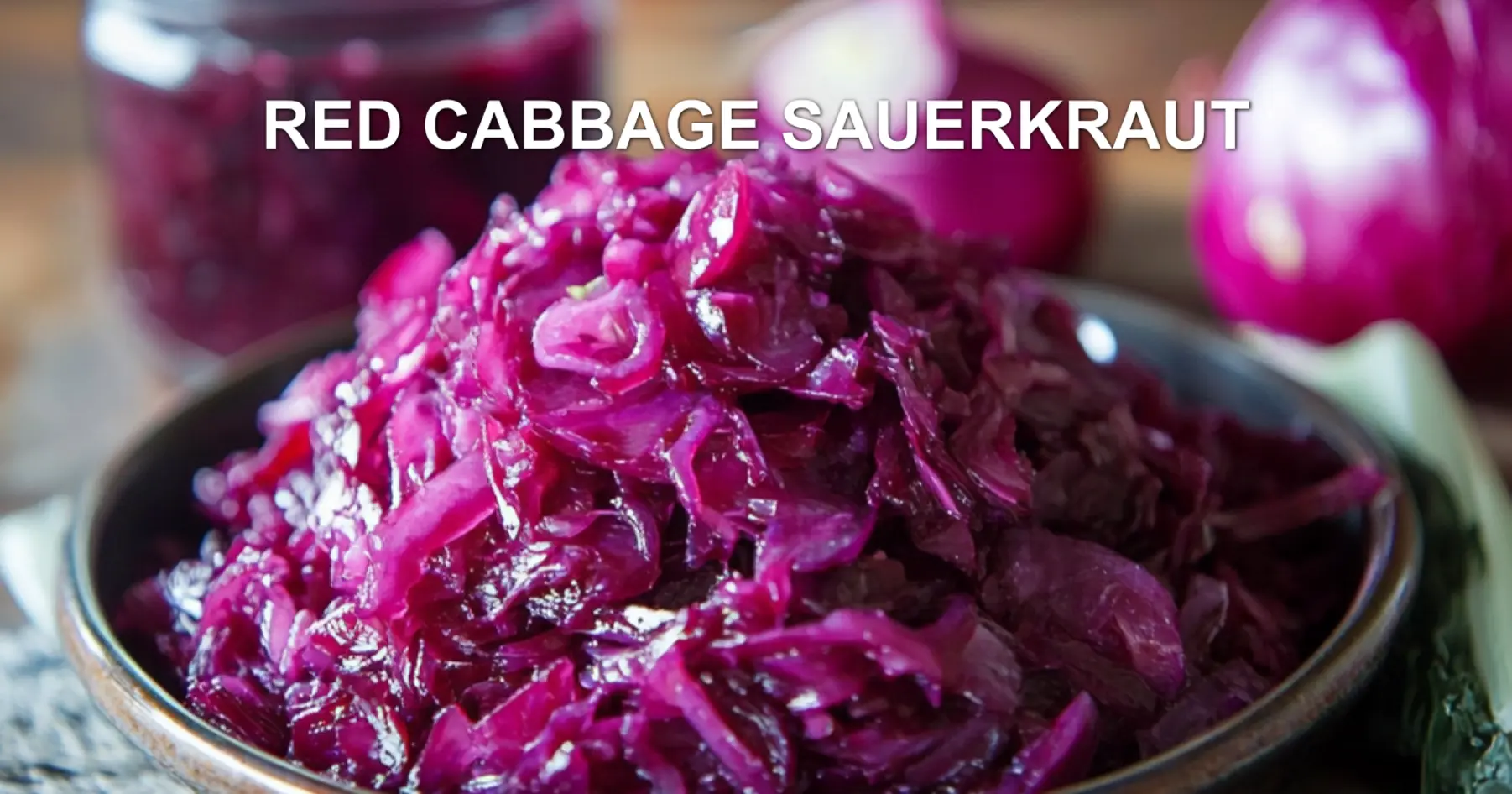
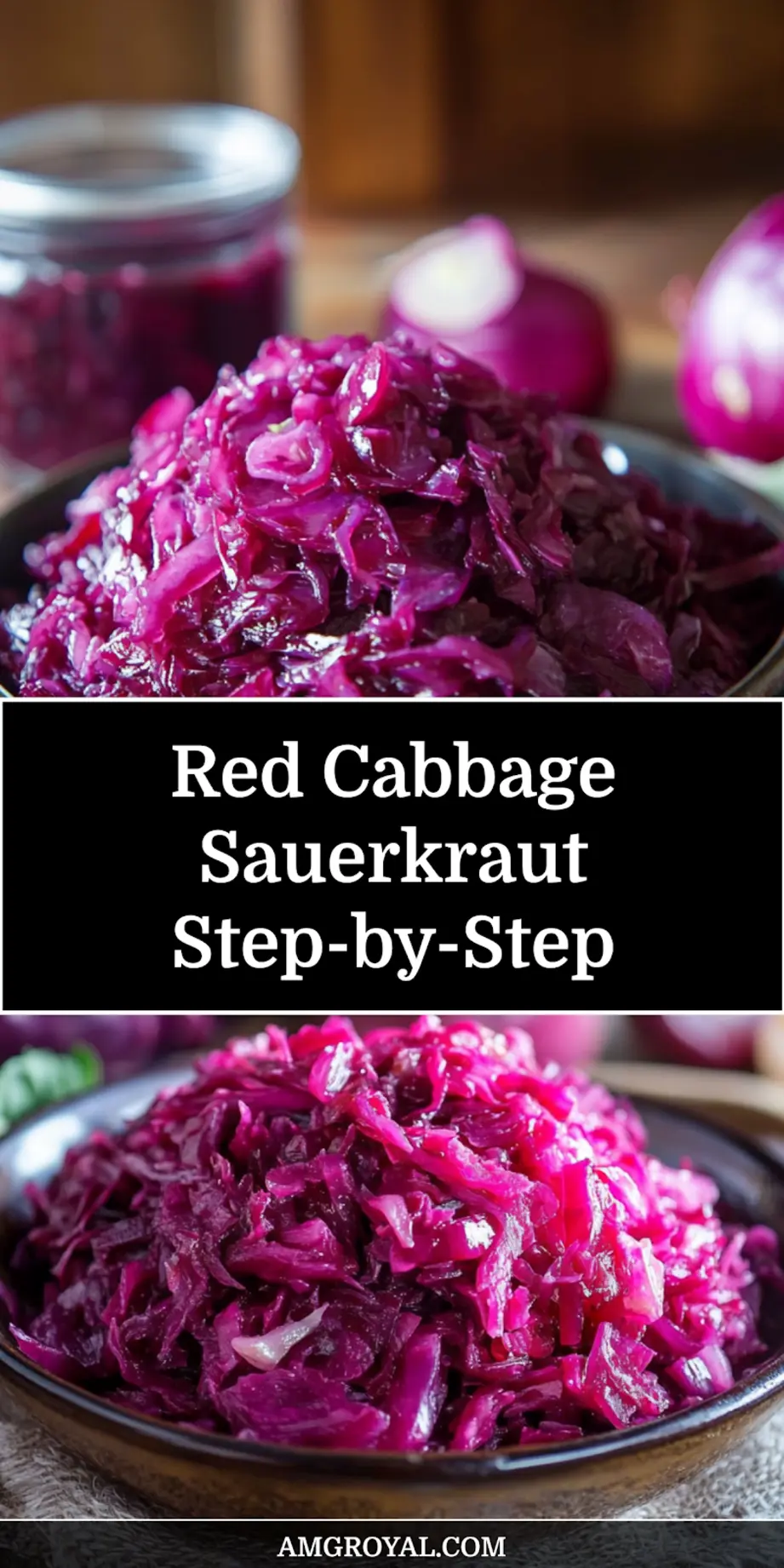
The tangy crunch of purple cabbage fermenting in salt fills the kitchen with that wild, earthy scent. This red cabbage sauerkraut brings vibrant color and serious gut health benefits to your table. It’s having a major moment with home fermenters everywhere.
This probiotic powerhouse needs just two ingredients – red cabbage and salt. The natural fermentation creates those beneficial bacteria your digestive system craves, plus that signature tangy bite. It’s like traditional kraut, but with gorgeous jewel tones and even more nutrients. Full details in the blog!
I’ve been experimenting with fermented vegetables for years, tweaking salt ratios and timing until I found the sweet spot. My latest batch with a hint of caraway seeds turned out absolutely perfect. I tested it three different ways. You’ll love the secret!
PrintRed Cabbage Sauerkraut for Delicious Gut Health Benefits

This red cabbage sauerkraut is a vibrant, probiotic-rich treat that promotes gut health. Combining homemade red cabbage kraut probiotic with caraway seeds creates a flavorful and easy to make sauerkraut. Perfect for beginners seeking gut-friendly fermented foods.
- Prep Time: 40 minutes
- Total Time: 40 minutes
- Yield: 2 quarts 1x
- Method: Stovetop
Ingredients
- 4 pounds cabbage (2 heads red cabbage)
- 2 tablespoons sea salt Use 1 Tablespoon salt for each 2 pounds of cabbage
- 1 1/2 tablespoons juniper berries
- 1 tablespoon caraway seeds
Instructions
- Remove any outer cabbage leaves that look damaged or rinse them thoroughly.
- Slice the cabbage into wide ribbons about 3/8 inch to 1/2 inch thick, discarding the tough base.
- In a large bowl, mix the cabbage with sea salt and let it rest for around 30 minutes until it releases moisture. Add juniper berries and caraway seeds during this time.
- Transfer the cabbage and its liquid into a fermentation container such as a crock or a large jar.
- Press the cabbage firmly with your hands or a tool to squeeze out more liquid, then weigh it down with a heavy object to maintain pressure.
- Check the liquid level over the next few hours and press down again if needed to cover the cabbage entirely with liquid. Add chlorine-free water to cover by at least 1 inch if necessary, then stir gently to balance saltiness.
- Place a weight like a water-filled plastic bag or ferment crock weight on top and cover the container with a lid, cloth or airlock depending on your setup.
- Allow the cabbage to ferment undisturbed for a minimum of 2 to 3 weeks, or longer for a stronger taste.
- When it reaches your preferred tanginess, transfer the sauerkraut to the refrigerator for storage.
Nutrition
- Serving Size: 1/4 cup
- Calories: 14
- Sugar: 1.8 g
- Sodium: 448 mg
- Fat: 0.1 g
- Saturated Fat: 0 g
- Trans Fat: 0 g
- Carbohydrates: 3.3 g
- Fiber: 1.4 g
- Protein: 0.7 g
- Cholesterol: 0 g
Why You’ll Fall in Love with This Red Cabbage Sauerkraut
There’s something magical about watching purple cabbage transform into tangy, jewel-toned kraut right on your counter. This red cabbage sauerkraut delivers all the gut-loving benefits of traditional fermentation, brightening any plate with its gorgeous color. The natural fermentation process creates those beneficial probiotics that your digestive system craves.
What really sets this apart is how forgiving it is for beginners. With just red cabbage, sea salt, and a couple of aromatic spices, you’re creating a delicacy that would cost a fortune at specialty stores. The caraway seeds and juniper berries add layers of earthy, pine-like notes, making this kraut truly special.
Breaking Down Your Simple Ingredient Stars
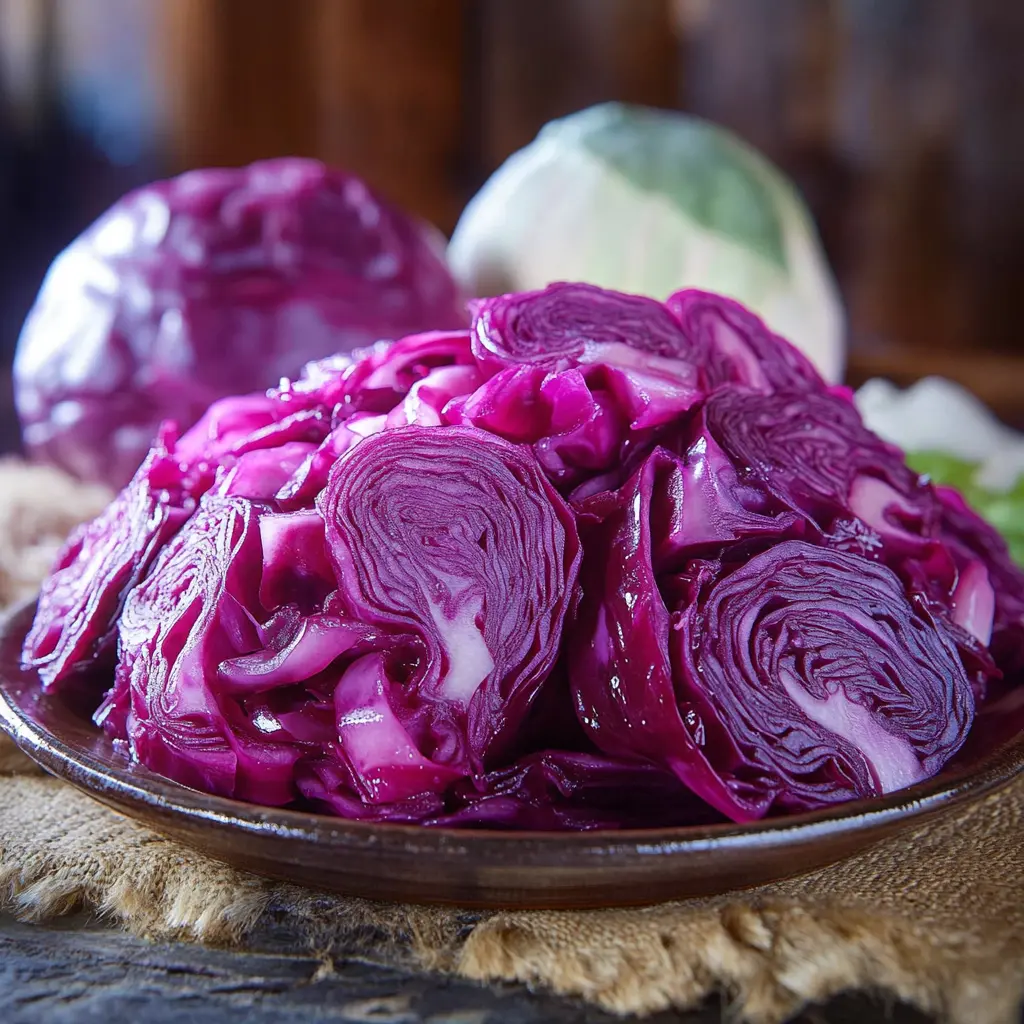
The beauty of fermentation lies in its simplicity. Red cabbage provides natural sugars that feed the fermentation process, while its vibrant anthocyanins create that stunning purple hue. You’ll need about 4 pounds total – typically two medium heads of red cabbage.
Salt is your fermentation friend: Sea salt draws moisture from the cabbage and creates the perfect environment for beneficial bacteria to thrive. The ratio is simple – 1 tablespoon of sea salt per 2 pounds of cabbage keeps everything balanced.
- Juniper berries: These little flavor bombs add a subtle gin-like complexity that pairs beautifully with cabbage.
- Caraway seeds: Classic kraut territory – they bring the traditional European flavor we all associate with good sauerkraut.
How the Magic Happens Step by Step
The process starts by creating the perfect environment for fermentation. After slicing your cabbage into thick ribbons, the salt works its magic by drawing out the natural juices. That 30-minute waiting period isn’t just for show – it’s when the cabbage starts releasing the liquid that becomes your fermentation brine.
Compression is where many beginners get nervous, but it’s actually quite therapeutic. You’re literally squeezing life into your kraut by pressing out every bit of moisture. The goal is to get that liquid level high enough to keep your cabbage submerged and protected from unwanted bacteria.
| Timeline | What’s Happening | What to Expect |
|---|---|---|
| First 30 minutes | Salt draws out moisture | Cabbage starts looking wilted |
| First 2 hours | More liquid appears with compression | Brine should cover cabbage |
| Week 1 | Active fermentation begins | Slight tangy smell develops |
| Weeks 2-3 | Flavors deepen | Classic sour kraut taste emerges |
Troubleshooting Your Fermentation Journey
Insufficient liquid coverage is the most common hiccup. If your cabbage isn’t fully submerged after a few hours of pressing, don’t panic. Add chlorine-free water until everything is covered by at least an inch. Just remember to stir well so the salt distributes evenly.
White film on top? That’s likely kahm yeast – harmless but not delicious. Simply scrape it off and make sure your weight keeps everything properly submerged. Maintaining an anaerobic environment is key to preventing this.
- Too salty? Next batch, reduce salt slightly and ferment longer for more complex flavors.
- Not tangy enough? Give it more time – fermentation can’t be rushed.
- Mushy texture? Your cabbage might have been too warm or old – fresh, crisp cabbage works best.
Creative Ways to Customize Your Kraut
While this vibrant red cabbage sauerkraut with caraway is absolutely perfect as written, fermentation welcomes creativity. Try swapping juniper berries for a few bay leaves, or add a thin slice of fresh ginger for warmth. Some fermenters love adding a bit of grated apple for subtle sweetness.
Spice levels can be adjusted too – a pinch of red pepper flakes creates a gently spicy fermented red cabbage sauerkraut variation. The key is adding aromatics that won’t interfere with the fermentation process.
Serving and Storage Made Simple
Your beautiful red cabbage fermented kraut is ready when it tastes pleasantly sour and has that satisfying crunch. This usually happens around the 2-3 week mark, though you can let it go much longer for deeper flavors. Once you love the taste, refrigeration will slow the fermentation way down.
Pro Tip: Transfer to mason jars for easy gifting and portion control. Properly fermented kraut keeps in the refrigerator for months, often getting even better with time.
| Storage Method | Duration | Best For |
|---|---|---|
| Refrigerator (mason jars) | 6+ months | Daily use and gifting |
| Root cellar/cool basement | 1+ years | Long-term aging |
| Counter fermentation | 2-8 weeks | Active fermentation phase |
Serve this gorgeous kraut alongside bratwurst, fold it into grilled cheese, or simply enjoy a forkful straight from the jar. Those probiotics are doing wonderful things for your gut health, and the flavor brightens everything from winter stews to summer salads.
Expert Says
Fermenting red cabbage sauerkraut not only enhances its flavor but also boosts its nutritional profile. The fermentation process creates beneficial probiotics, which support gut health and digestion. Additionally, the vibrant color of red cabbage indicates a high level of antioxidants, making this dish a delicious and healthful addition to your diet.
For more delicious recipes and cooking inspiration, follow me on Facebook, Pinterest and Reddit!
Red Cabbage Sauerkraut: A Flavorful Adventure
After several attempts, I finally created a red cabbage sauerkraut that sings with flavor. My first batch was far too salty, a lesson learned in balancing. Now, each crisp bite reminds me of summer picnics with my family, transforming my kitchen into a vibrant celebration of tradition and modern flair.
FAQs ( Red Cabbage Sauerkraut )
What are the health benefits of red cabbage sauerkraut?
This dish is packed with probiotics, which support gut health and digestion. Additionally, red cabbage is rich in vitamins C and K, antioxidants, and fiber, enhancing overall wellness. Regular consumption can boost your immune system and promote a healthier gut flora.
How long does red cabbage sauerkraut need to ferment?
For best results, allow this recipe to ferment for about 1 to 4 weeks at room temperature. Taste it periodically after the first week to see if it has reached your desired flavor and tang. Warmer environments speed up fermentation, while cooler ones slow it down.
Can I add flavors to red cabbage sauerkraut?
Absolutely! Experiment with spices like caraway seeds, ginger, or even fruits like apples. Just remember to maintain the salt ratio for proper fermentation. Adding flavors can enhance the taste and give your kraut a unique twist that suits your palate.
How do I store red cabbage sauerkraut?
Once fermented to your liking, transfer the sauerkraut to airtight jars and refrigerate. It can last for several months when stored properly. The cold environment slows down further fermentation, allowing you to enjoy the flavors over time.
Your Beautiful Red Cabbage Sauerkraut Awaits
After weeks of patient fermentation, you’ll love how this red cabbage sauerkraut transforms into something truly magical. That gorgeous purple hue and tangy crunch deliver serious gut health benefits while brightening every meal. The caraway and juniper create layers of flavor that remind me of European markets I’ve wandered through.
Try stirring in fresh herbs like dill or parsley just before serving for extra brightness. A drizzle of good olive oil makes it shine on cheese boards, and it keeps beautifully in mason jars for months. Here’s a trick I learned from my grandmother’s preserving days: save that precious brine for salad dressings or even cocktails.
I’d love to see your fermentation adventures! Share photos of your colorful creations and tell me which spice combinations called to you. Did this remind you of kraut from your childhood? Save this recipe for friends who need more probiotics in their lives – homemade always tastes like love.