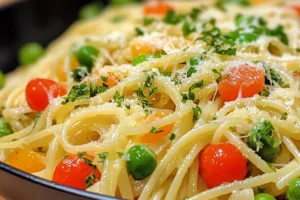
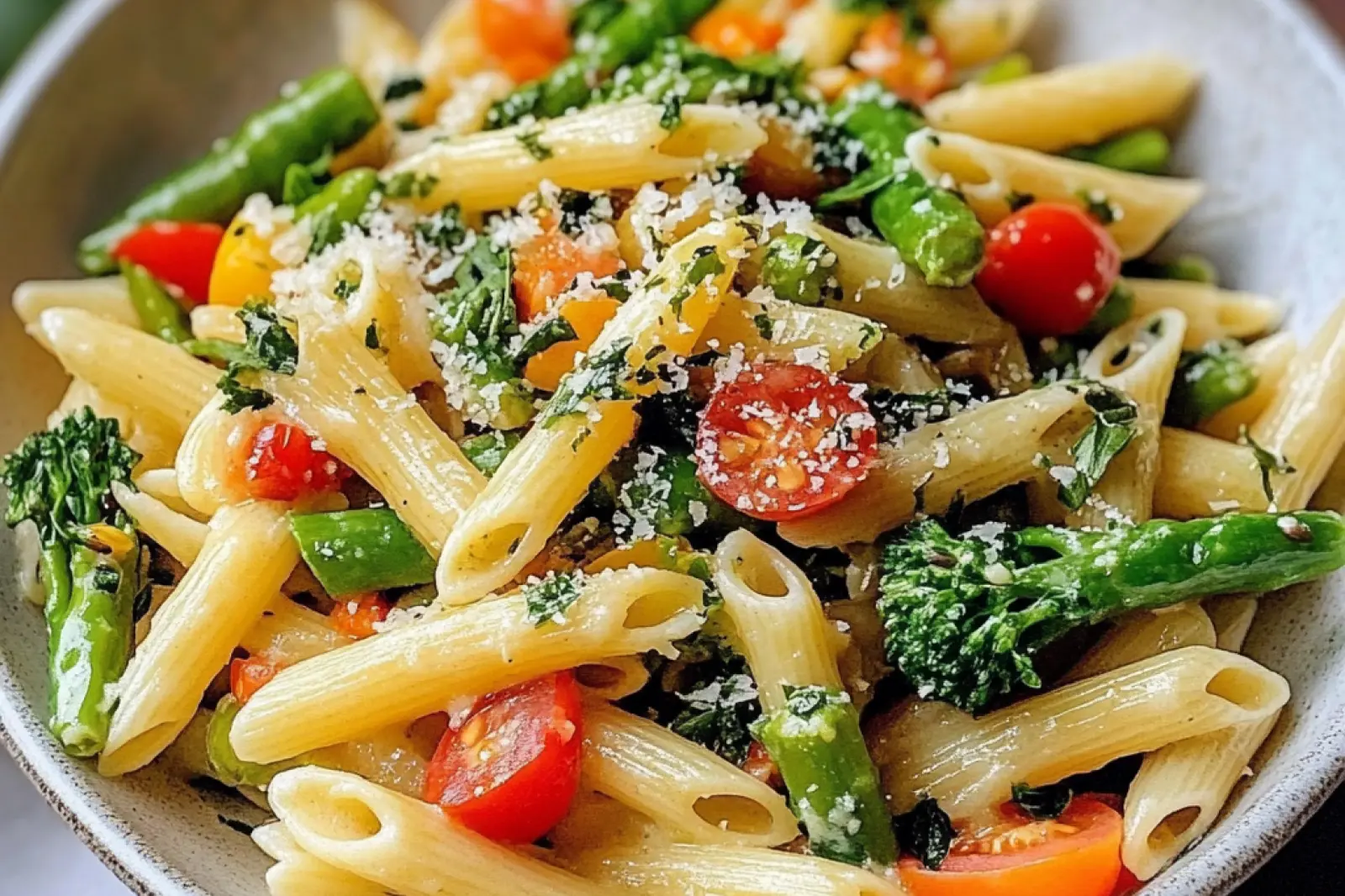
Pasta primavera is what happens when your crisper drawer is bursting and you need dinner in twenty minutes. Toss whatever spring vegetables you’ve got with hot pasta, a little garlic, and good olive oilit’s bright, simple, and tastes like the best kind of garden raid.
I started playing with this back in 2019 when I was testing herb-forward sauces for the site, and I realized the vegetables themselves could be the star if you don’t overcook them. A quick sauté keeps everything snappy and sweet, and a handful of fresh basil at the end makes the whole bowl smell like sunshine. After tweaking the technique about a dozen times, I landed on a version that actually lets the produce shine instead of drowning it in cream.
PrintPasta Primavera Recipe Easy Fresh and Delicious
Enjoy a fresh and flavorful pasta primavera featuring seasonal vegetables and a light lemon cream sauce. This vibrant Italian dish is perfect for spring or summer meals and easy to prepare any time.
- Prep Time: 20 minutes
- Cook Time: 15 minutes
- Total Time: 35 minutes
- Yield: Serves 8
- Category: Main Course
- Method: Stovetop
- Cuisine: Italian
- Diet: Standard
Ingredients
- 16 oz penne pasta
- 1 tablespoon olive oil
- 8 oz asparagus cut into 1 ½ inch pieces
- 1 yellow bell pepper cut into 1 ½ inch pieces
- 2 cups small broccoli florets
- 1 small zucchini chopped
- Salt and black pepper to taste
- 2 tablespoons unsalted butter
- 1 shallot minced
- 4 garlic cloves minced
- Zest of 1 lemon
- Dash crushed red pepper flakes
- 1 cup vegetable broth
- ½ cup heavy cream
- 3 tablespoon lemon juice divided
- 1 cup frozen peas
- ½ cup shredded Parmesan cheese
- 1 ½ cups halved grape tomatoes
- ¼ cup chopped basil
- 2 tablespoons Italian parsley for garnish
- Extra parmesan cheese for garnish
- Crushed red pepper flakes for garnish
Instructions
- Bring a large pot of salted water to a boil and cook the pasta for 11 minutes, stirring now and then, then drain and return to the pot.
- Heat olive oil in a large skillet over medium-high heat and cook asparagus, bell peppers, and broccoli for 2 to 3 minutes, stirring occasionally. Add zucchini and cook another 1 to 2 minutes until vegetables are tender but crisp. Season with salt and pepper, then transfer to a bowl.
- Melt butter in the skillet over medium heat, then sauté shallot and garlic for 2 minutes. Add lemon zest and vegetable broth and simmer until the broth halves, about 4 to 5 minutes. Stir in heavy cream and 2 tablespoons of lemon juice.
- Mix peas and cooked vegetables into the pasta pot. Pour the lemon cream sauce over the pasta and vegetables, stirring to combine. Add Parmesan cheese and the remaining tablespoon of lemon juice. Gently fold in tomatoes and basil. Season with salt and pepper to taste.
- Transfer the pasta primavera to a serving dish and garnish with Italian parsley, extra Parmesan, and crushed red pepper flakes. Serve warm.
Notes
- Veggie Variations: Feel free to mix up the veggies
- Mushrooms, yellow squash, artichoke hearts, carrots, spinach, and kale
- Pasta: Use your favorite pasta shape
- If you need the recipe to be gluten-free, use gluten-free pasta
- Protein: You can add chicken, shrimp, beans, or tofu for a boost of protein
- Storing: Store leftovers in an airtight container in the fridge for up to 5 days
Nutrition
- Calories: 375kcal
- Sugar: 5g
- Sodium: 240mg
- Fat: 12g
- Saturated Fat: 6g
- Carbohydrates: 52g
- Fiber: 4g
- Protein: 13g
- Cholesterol: 32mg
Why You’ll Love This Pasta Primavera
This dish delivers color, crunch, and freshness without a lot of fuss. You’ll sauté vibrant vegetables just until tender-crisp, then toss them with hot penne and a silky lemon cream sauce that doesn’t weigh things down. The result is light but satisfyingperfect for a weeknight when you want something that feels special but comes together in about 35 minutes.
What makes this version shine is the balance: sweet bell peppers, snappy asparagus, bright broccoli, and juicy grape tomatoes all get their moment. The lemon zest and fresh basil add a sunny finish that keeps every bite interesting. Plus, you can swap in whatever seasonal vegetables you’ve got on hand, making it endlessly adaptable.
Ingredient Notes and Simple Swaps
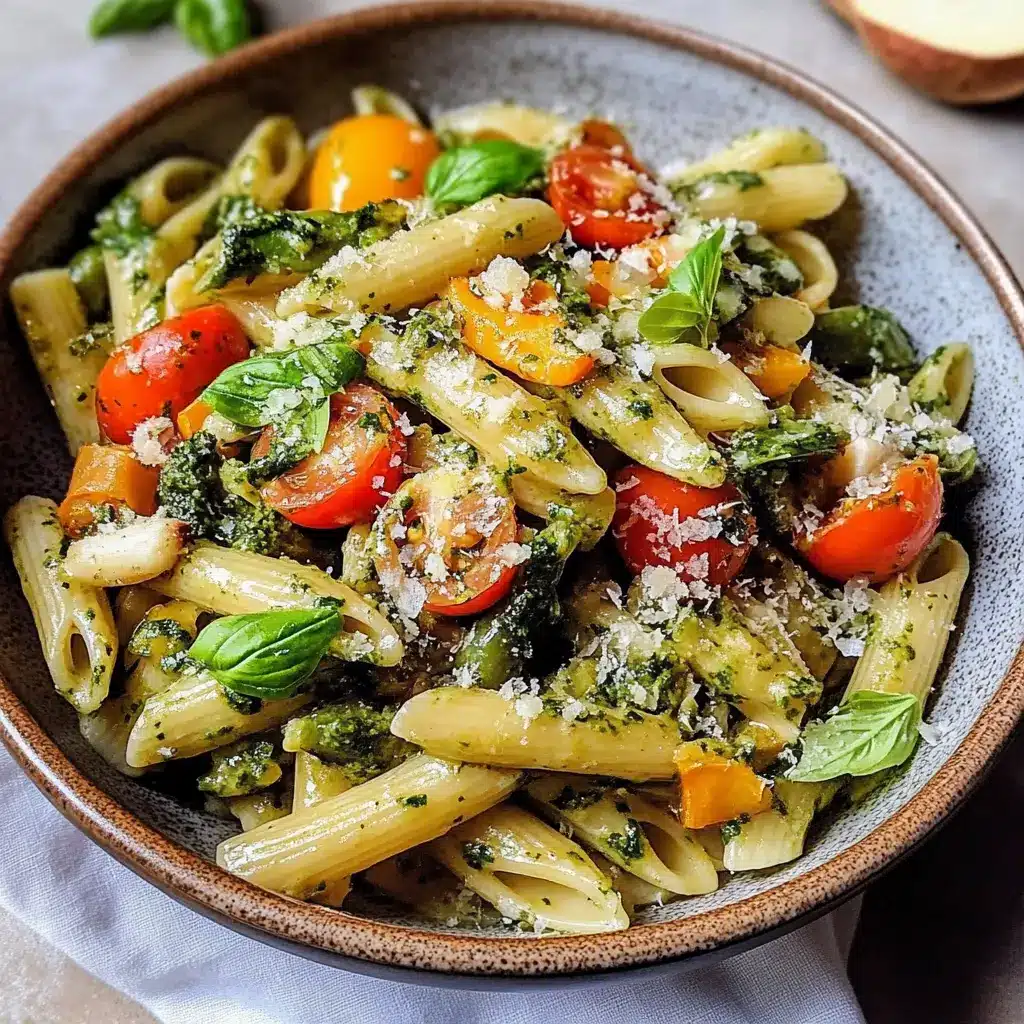
Here’s what you’ll need and how to make smart substitutions when your pantry or produce drawer calls for it:
- Penne pasta: Any short pasta shape works beautifullytry rigatoni, fusilli, or farfalle. For a gluten-free version, just swap in your favorite gluten-free pasta.
- Asparagus, bell pepper, broccoli, zucchini: These are your base vegetables, but feel free to add mushrooms, yellow squash, artichoke hearts, carrots, spinach, or kale depending on what’s fresh.
- Heavy cream: Keeps the sauce luxurious and velvety. You can use half-and-half if you prefer something lighter, though the sauce will be a bit thinner.
- Vegetable broth: Adds depth without overpowering the vegetables. Chicken broth works too if that’s what you have.
- Lemon juice and zest: Brightens everything up and cuts through the richness. Fresh is best herebottled juice won’t give you the same zing.
- Parmesan cheese: Freshly shredded melts into the sauce better than pre-grated. Save a little extra for garnish.
| Ingredient | Easy Swap |
|---|---|
| Penne pasta | Rigatoni, fusilli, farfalle, or gluten-free pasta |
| Asparagus | Green beans, snap peas, or extra broccoli |
| Yellow bell pepper | Red or orange bell pepper |
| Heavy cream | Half-and-half (thinner sauce) |
| Vegetable broth | Chicken broth |
| Fresh basil | Fresh parsley or a mix of both |
How to Make It: Step by Step
The method is straightforward: cook your pasta, sauté the vegetables in batches so they stay crisp, then build a quick lemon cream sauce in the same skillet. Everything comes together in the pot at the end for easy tossing and serving.
Start with the pasta: Boil salted water and cook the penne for about 11 minutes until al dente. Drain well and return it to the potthis becomes your mixing bowl later.
Sauté the vegetables: Heat olive oil in a large skillet over medium-high heat. Add asparagus, bell pepper, and broccoli first, cooking for 2 to 3 minutes. Toss in the zucchini and cook another 1 to 2 minutes until everything is tender but still has a bite. Season with salt and pepper, then transfer to a plate.
Build the sauce: Melt butter in the same skillet over medium heat. Add minced shallot and garlic, cooking for 2 minutes until fragrant. Stir in lemon zest and vegetable broth, then simmer until reduced by halfabout 4 to 5 minutes. Stir in heavy cream and 2 tablespoons of lemon juice.
Bring it all together: Add frozen peas to the pot with the cooked pasta. Pour in the sautéed vegetables and the lemon cream sauce, stirring gently to coat everything. Stir in Parmesan cheese and the remaining tablespoon of lemon juice. Fold in grape tomatoes and chopped basil last so they stay fresh and bright.
Timing Breakdown
| Task | Time |
|---|---|
| Prep vegetables and measure ingredients | 20 minutes |
| Boil and cook pasta | 11 minutes |
| Sauté vegetables | 4–5 minutes |
| Make lemon cream sauce | 6–7 minutes |
| Combine everything and garnish | 3 minutes |
| Total Time | 35 minutes |
Tips for Perfect Vegetables Every Time
The key to great pasta primavera is keeping your vegetables crisp-tender, not mushy. Sauté them over medium-high heat in a single layer so they get a little color without steaming. If your skillet is crowded, work in two batchesit only takes an extra minute and makes a big difference in texture.
Pro Tip: Cut your vegetables into similar-sized pieces so they cook evenly. Asparagus and bell peppers should be about 1 ½ inches, zucchini in bite-sized chunks, and broccoli florets kept small.
How to Serve and Store
Serve this warm, straight from the pot or in a big serving bowl. Garnish with extra Parmesan, a sprinkle of Italian parsley, and a pinch of crushed red pepper flakes for a little kick. It’s hearty enough to stand alone as a main dish, or you can pair it with crusty bread and a simple green salad.
Storage: Leftovers keep well in an airtight container in the fridge for up to 5 days. The sauce may thicken as it sitsjust add a splash of vegetable broth or cream when reheating to loosen it back up. Reheat gently on the stovetop or in the microwave, stirring occasionally.
Add-Ins and Protein Boosts
If you want to make this heartier, stir in cooked chicken, shrimp, white beans, or crispy tofu. I like to sauté shrimp separately with a little garlic and olive oil, then fold them in at the end so they stay tender. Grilled chicken works beautifully too, especially if you’ve got leftovers to use up.
For a vegan version, skip the butter, heavy cream, and Parmesan. Use olive oil instead of butter, swap in coconut cream or cashew cream for richness, and finish with nutritional yeast for that cheesy flavor.
Dive into more delectable recipes and culinary ideas follow me on Facebook, Pinterest and Reddit!
FAQs ( Pasta Primavera )
Can I use frozen vegetables for this recipe?
Yes, frozen vegetables work well for Pasta Primavera. Thaw them first and pat dry to remove excess moisture. Add them to the pan during the last 2-3 minutes of cooking to prevent overcooking. Fresh vegetables give better texture, but frozen is a convenient alternative.
What pasta shape works best for this dish?
Penne, bow ties, and fusilli work excellently because their shapes hold the sauce and vegetables well. Long pasta like linguine or fettuccine also works beautifully. Choose a shape that can grab onto the creamy sauce and vegetable pieces for the best eating experience.
How do I prevent the cream sauce from curdling?
Keep the heat at medium-low when adding cream to prevent curdling. Remove the pan from heat before stirring in the cream, then return to low heat. If using Parmesan cheese, add it gradually while stirring constantly. Never let the sauce boil once cream is added.
Can I make this recipe ahead of time?
This dish is best served immediately for optimal texture. If you must make it ahead, undercook the pasta slightly and store components separately. Reheat gently with a splash of cream or pasta water to restore the sauce consistency. The vegetables may soften more upon reheating.
What vegetables are traditional in this dish?
Classic vegetables include bell peppers, zucchini, broccoli, snap peas, and cherry tomatoes. Asparagus, carrots, and yellow squash are also popular choices. Use whatever fresh vegetables you have on hand – the key is cutting them into similar sizes for even cooking.
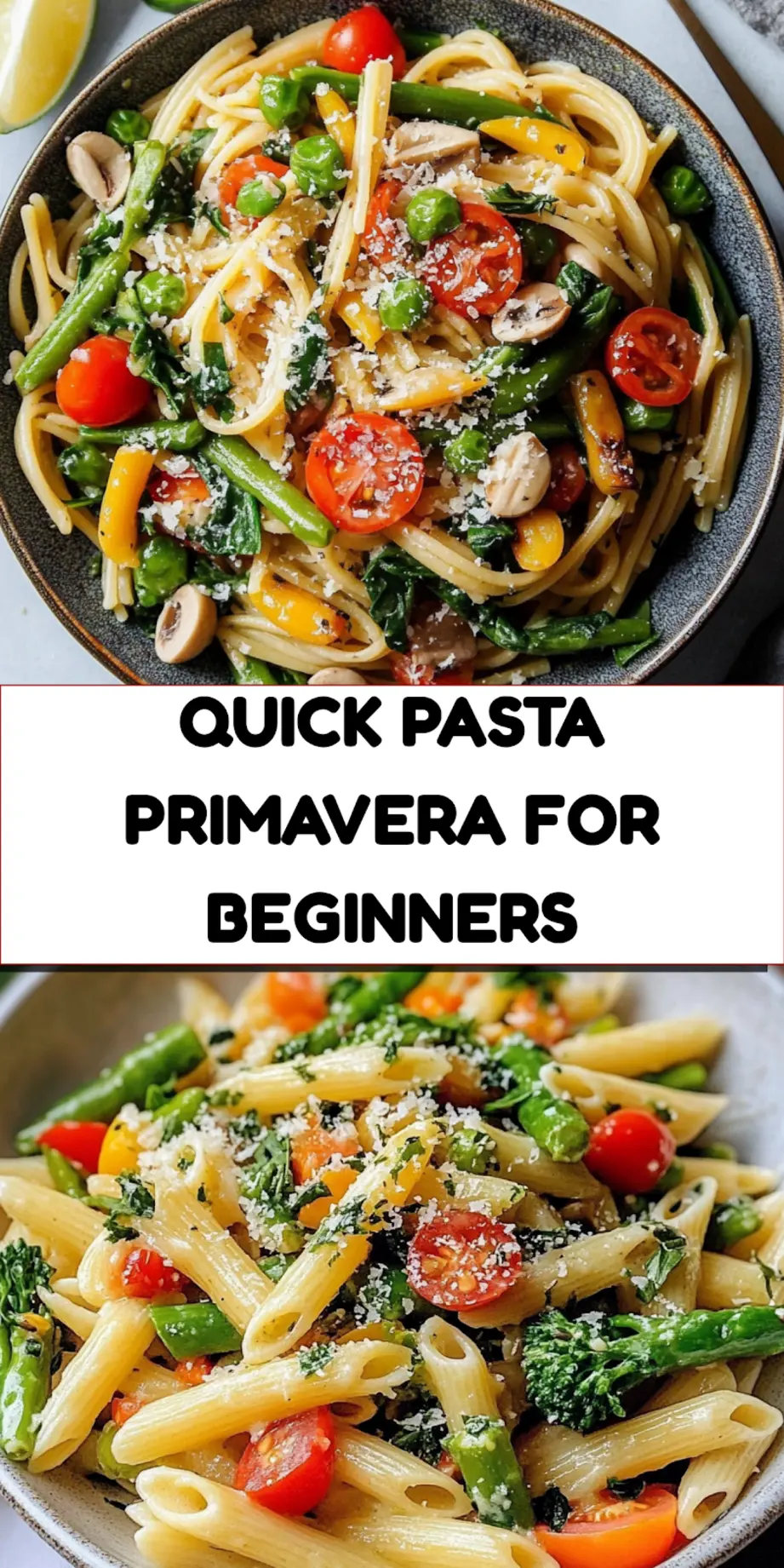
You’ll have pasta primavera ready in just 35 minutes, and it comes out bright, silky, and satisfying every time. The vegetables stay crisp, the sauce clings beautifully, and that hit of lemon at the end makes everything feel fresh and vibrant. It’s the kind of dish that tastes like you put in way more effort than you actually did.
If you want to play around, try swapping the cream for a lighter cashew or coconut versionit still tastes rich and indulgent. Toss in leftover rotisserie chicken or a handful of white beans to make it heartier, or go fully seasonal with whatever looks best at the market. Leftovers reheat beautifully with just a splash of broth to bring the sauce back to life, and honestly, they taste even better the next day once all those flavors have had time to mingle.
I’d love to see your versiontag me if you make it or tell me what vegetables you used. Did your family have a go-to spring pasta when you were growing up? Save this one for the next time your crisper is overflowing, or share it with someone who needs a little brightness on their dinner table. Happy cooking!