Seeded Multigrain Sourdough Bread Warm Satisfying Loaf You Need to Make Now
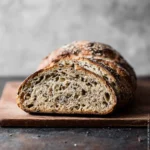
Enjoy a Seeded Multigrain Sourdough Bread perfect for an easy lunch or quick lunch option. This whole grain sourdough loaf features a crispy crust and hearty texture, making it an ideal choice for lunch ideas and a satisfying seeded sourdough loaf.
- Prep Time: 15 minutes
- Cook Time: 50 minutes
- Total Time: 15 hours 5 minutes
- Yield: 12 slices 1x
- Category: Bread
- Method: Baked
- Cuisine: American, French
- Diet: Vegan, Vegetarian
Ingredients
Scale
- 1/4 C (40g) 10 Grain Cereal *(see note)
- 3 Tbs (25g) Rolled Oats not quick
- 2 Tbs (25g) Quinoa red or tricolor rinsed
- 2 Tbs (25g) Flax Seed
- 2 Tbs (25g) Hulled Sunflower Seeds unsalted
- 3/4 C (155g) Hot Water about 150F (65C) or soak the grains and seeds overnight in room temperature water
- 1/4 C (50g) Sourdough Starter previously fed bubbly and active
- 1 1/3 C (300g) Warm Water about 80f (26c)
- 2 1/2 Tbs (50g) Maple Syrup
- 3 C (400g) Bread Flour
- 1/2 C + 1 Tbs (100g) Whole Wheat Bread Flour or whole wheat flour
- 2 tsp (16g) Fine Sea Salt
Instructions
- Combine the 10 grain cereal, rolled oats, quinoa, flax seeds, sunflower seeds, and hot water in a medium bowl and set aside to soak.
- In the evening, whisk together the sourdough starter, warm water, and maple syrup in a large bowl. Add the bread flour, whole wheat bread flour, and sea salt. Stir initially with a fork until the mixture becomes shaggy and then knead by hand for 3 to 4 minutes until all the flour is incorporated and the dough starts to feel more hydrated.
- Cover the bowl with a damp towel and let the dough rest for 30 minutes.
- Add the soaked grains and seeds soaker on top of the dough, kneading and folding it for 1 to 2 minutes until evenly distributed. Adjust flour or water if needed to achieve the right dough consistency.
- Rest the dough covered for another 30 minutes.
- With the dough still in the bowl, fold it by pulling portions upward and folding over, pressing gently. Repeat around the dough at least once or up to three times total, allowing 30 to 45 minutes between folds.
- After the final fold, cover the bowl with two damp towels and let the dough ferment overnight at room temperature for 8 to 14 hours until it has doubled in size and is jiggly when shaken.
- In the morning, lightly flour the work surface and transfer the dough onto it using damp fingertips. If making two loaves, moisten the bench scraper and divide the dough in half.
- Shape each piece by gently stretching and folding the dough towards the center, pressing it down lightly. Flip the dough over with a bench scraper and let rest for 10 minutes.
- Prepare a floured banneton or bowl lined with a towel, lightly mist the work surface, and tighten the dough by cupping it and pulling it in a circular motion using the bench scraper to create a taut skin. Dust with flour, smooth the surface, then transfer dough into the prepared bowl or banneton bottom side up. Sprinkle flour on the bottom of the dough.
- Cover with a damp towel and let proof for 30 to 45 minutes until slightly risen but not doubled.
- Preheat the oven to 500F (260C), place a sheet pan on the lowest rack, and arrange racks so the baking vessel is on the middle rack.
- Cut a sheet of parchment to fit the baking vessel. Carefully invert the proofed dough onto the parchment, score the top about 1/2 inch deep and 4 inch long or as desired.
- Transfer the dough with parchment into the baking vessel, cover it, reduce oven temperature to 450F (232C), and bake covered for 20 minutes.
- Remove the lid and bake uncovered for 30 to 35 minutes for one large loaf or 15 to 20 minutes for two smaller loaves until internal temperature reaches 190F to 205F.
- Remove bread from oven and cool on a wire rack for 1 hour before slicing.
Notes
- For crisp tops, broil 2–3 minutes at the end
Nutrition
- Calories: 190kcal
Find it online: https://www.amgroyal.com/seeded-multigrain-sourdough-bread/