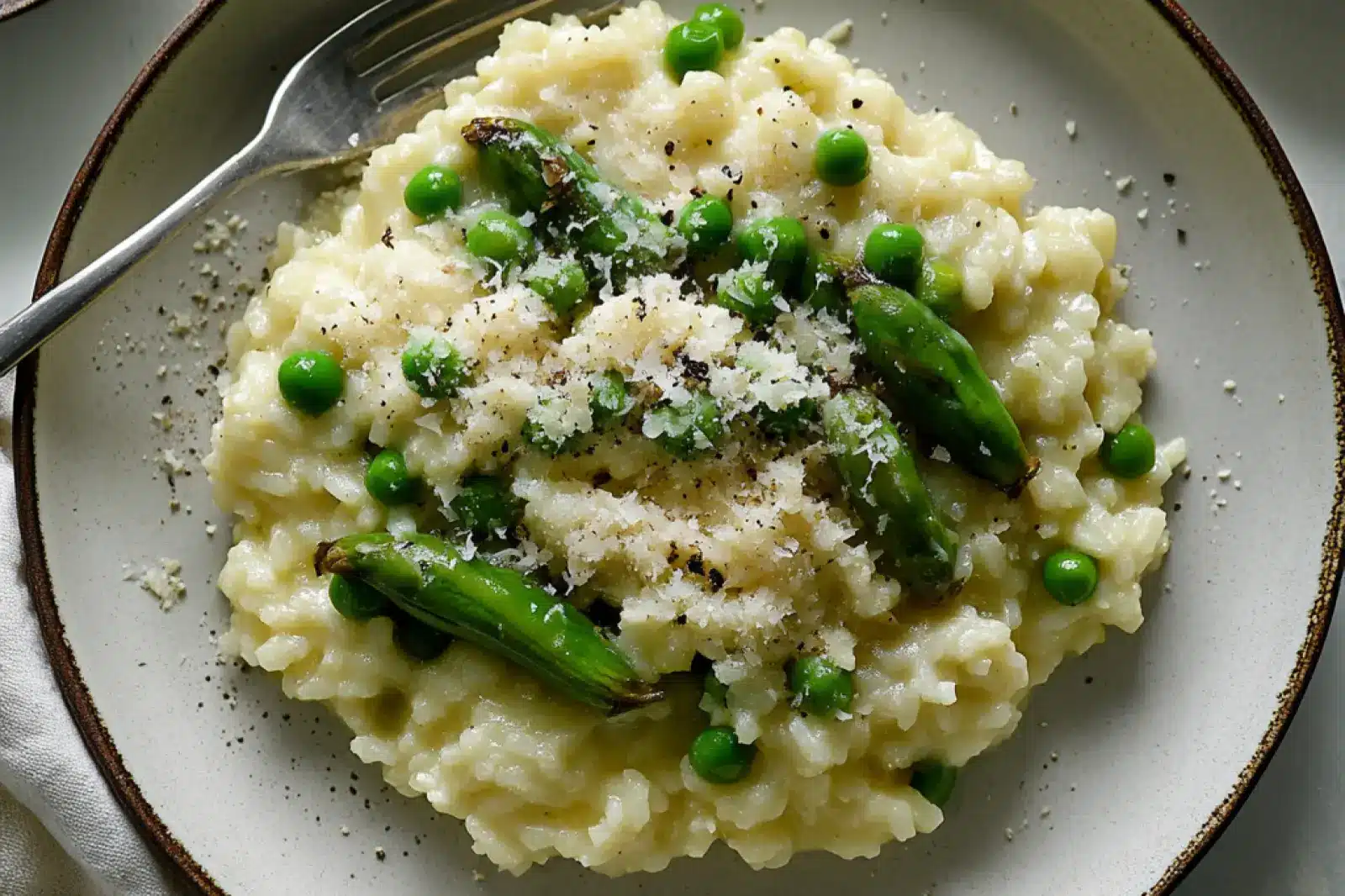
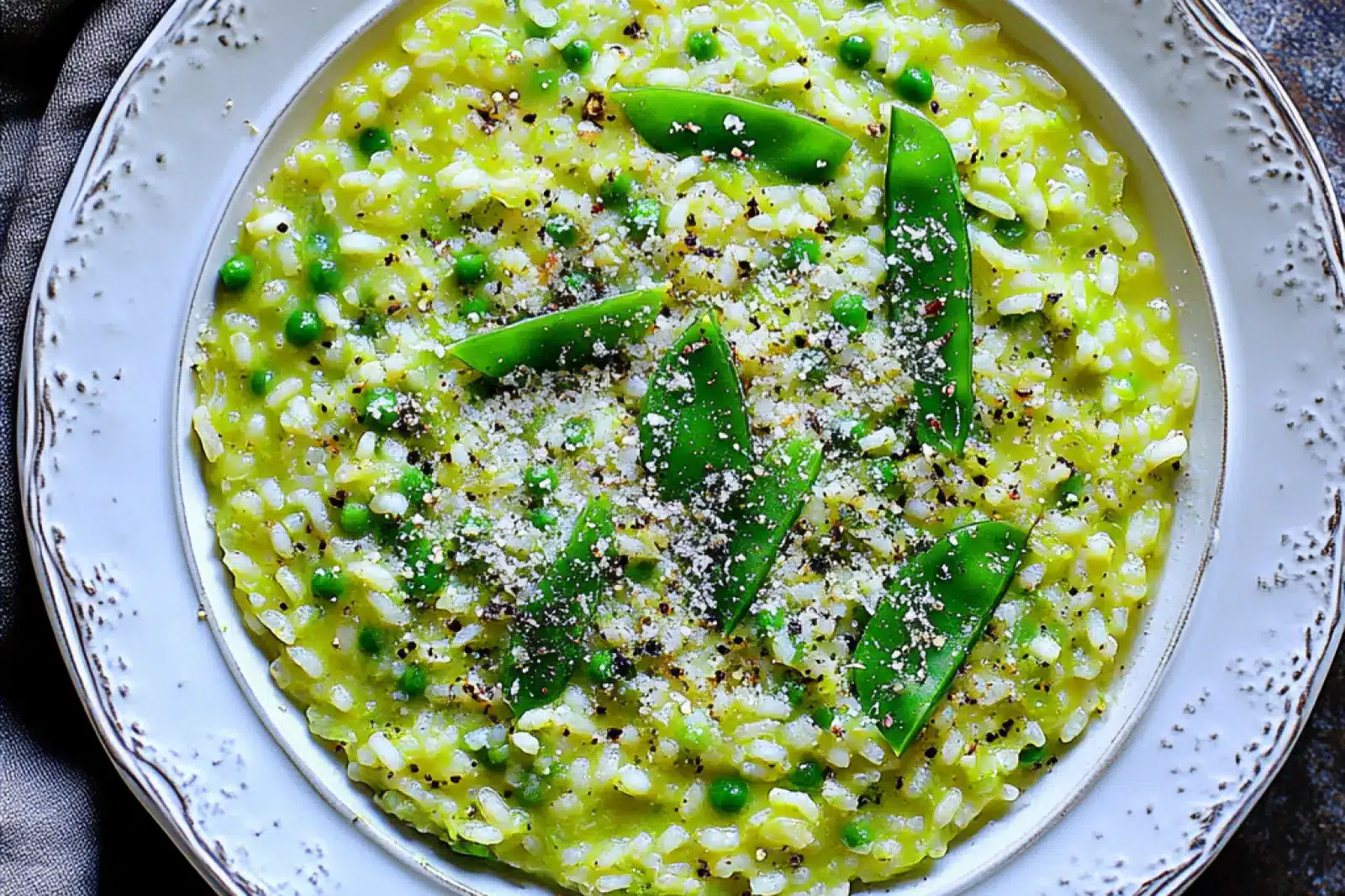
There’s something about fresh peas in spring that just feels like a resetthey’re sweet, bright, and they turn a bowl of rice into something that actually tastes like the season changed. Spring pea risotto is one of those dishes that looks fancy but comes together without much fuss, and the flavors are light enough that you don’t feel weighed down after dinner.
I started making this more often last March when I realized I was craving comfort food but didn’t want anything heavyit hit that exact spot between cozy and fresh. The trick I learned after testing it a dozen times is to stir in half the peas at the end so they stay bright green and sweet, instead of cooking them all the way through. After a long day, I need dinner to be comforting but not heavy, and this one saves the whole evening without feeling like I took a shortcut.
PrintSpring Pea Risotto Easy Fresh Dinner for Busy Nights
This spring pea risotto is a fresh and easy dinner perfect for any busy weeknight. It offers vibrant spring flavors and makes a simple risotto recipe that the whole family will enjoy. Ideal for a quick and fresh spring dinner.
- Prep Time: 10 minutes
- Cook Time: 45 minutes
- Total Time: 55 minutes
- Yield: 4 1x
- Category: Main Course
- Method: Stovetop
- Diet: Vegetarian
Ingredients
- 4 cups vegetable broth or chicken stock warmed
- 3 tablespoons olive oil divided
- 2 shallots or sub 1 leek or 1 white onion diced
- 2 garlic cloves rough chopped
- 1 cup Arborio rice
- 1/2 cup dry white wine or sub water with 1 teaspoon lemon juice
- 2 cups peas fresh blanched or sub frozen peas
- 1/2 cup grated Pecorino cheese or sub parmesan cheese
- zest of one lemon
- salt and pepper to taste
- 1/4 cup fresh mint packed sliced
- Drizzle of truffle oil
Instructions
- Warm the vegetable broth in a pot on the stove.
- In a heavy-bottomed pan, heat 2 tablespoons of olive oil over medium-low heat and cook the shallots and garlic until they become golden and emit a fragrant aroma, about 5 minutes.
- Stir in the Arborio rice and toast it gently for one minute.
- Pour in the white wine and cook, letting it evaporate completely while stirring.
- Begin adding one cup of hot broth at a time, stirring frequently and allowing the rice to soak up the liquid slowly over medium-low heat; continue this process for approximately 20 minutes until the rice is tender but firm.
- Meanwhile, blanch the peas by boiling them in salted water for 2-3 minutes, then drain and set aside.
- Blend half of the blanched peas with half a cup of water and one tablespoon of olive oil until smooth, adding spinach to enhance the color, blending again until silky.
- Once the risotto is nearly done, mix in the grated Pecorino cheese, lemon zest, remaining peas, and the pea puree.
- Season with salt, pepper, and fold in two-thirds of the fresh mint, reserving the rest for garnish.
- Taste and adjust seasoning as needed, adding chili flakes if desired.
- Serve the risotto in bowls and finish with a drizzle of truffle oil.
Notes
- Top with pan-seared fish, shrimp or scallops by heating oil in a skillet over medium heat, seasoning with salt and pepper, then searing the seafood until a golden crust forms on each side, about 3 minutes per side
- Squeeze lemon over before serving
- Fish options include Halibut, Salmon, Sea Bass, Black Cod, Alaskan Wild Cod, or Steelhead
- For crispy skin, place the fish skin side up while searing
Nutrition
- Serving Size: 1 ½ cups
- Calories: 357
- Sugar: 10.7 g
- Sodium: 722.3 mg
- Fat: 14.1 g
- Saturated Fat: 2.4 g
- Carbohydrates: 43 g
- Fiber: 4.3 g
- Protein: 11.7 g
- Cholesterol: 7.2 mg
Why You’ll Love This Recipe
This dish is all about bright, fresh flavors that don’t require you to stand over the stove for hours. The peas stay sweet, the lemon and mint add just enough zing, and the creamy texture feels indulgent without being heavy. It’s my go-to when I’m tired and still want dinner to feel like dinner.
What makes it especially appealing is how forgiving it isarborio rice is surprisingly resilient, and the slow stirring process is actually meditative after a long day. You can make it vegetarian or top it with seared fish if you want more protein. Either way, it feels like a little spring reset on a plate.
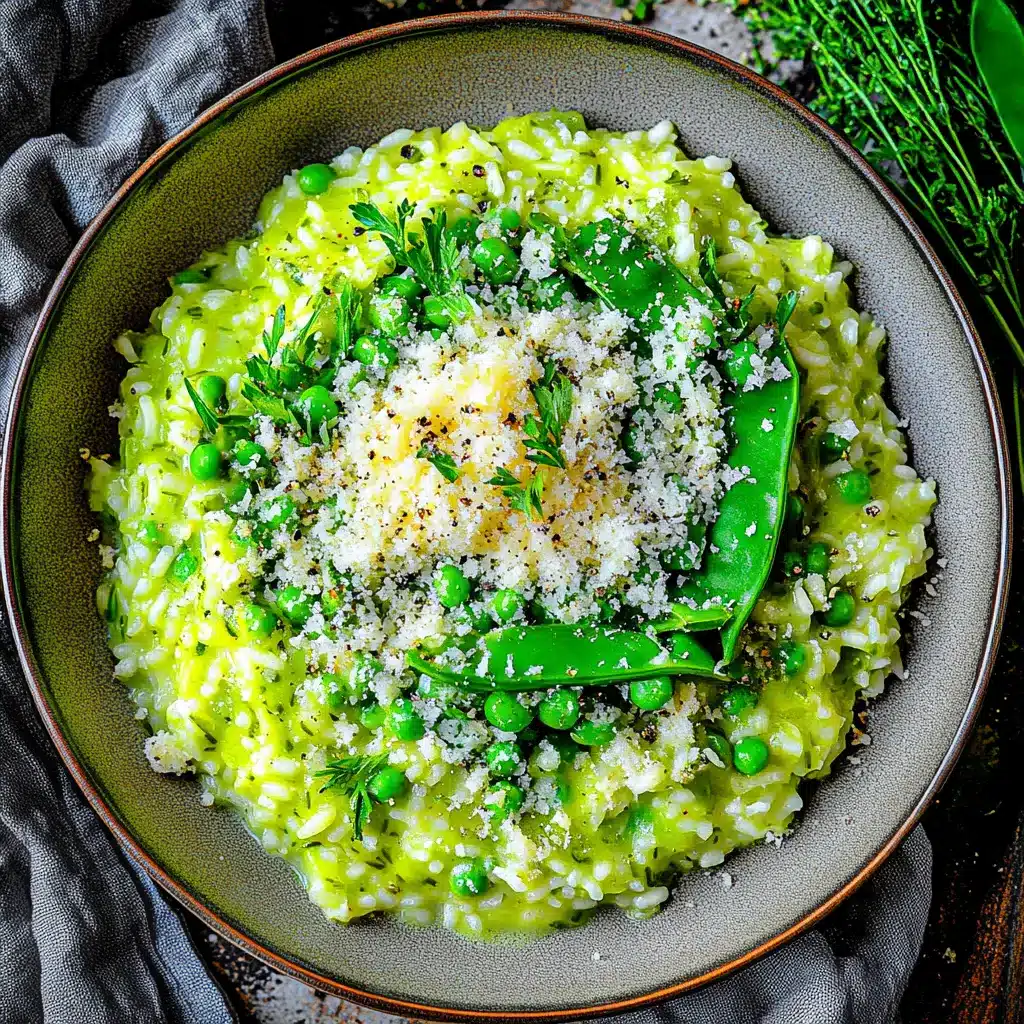
Key Ingredients That Make It Work
The magic here is in a few simple, seasonal ingredients that work together to create layers of flavor. Arborio rice gives you that signature creamy texture, while vegetable broth keeps everything light and savory. The peas do double dutyhalf get blended into a silky puree that tints the whole dish green, and the rest stay whole for little bursts of sweetness.
- Shallots and garlic: They build a savory, aromatic base without overpowering the fresh pea flavor.
- White wine: Adds acidity and depth (but you can swap it for water with a squeeze of lemon juice).
- Pecorino cheese: Brings a salty, nutty richness that balances the sweetness of the peas.
- Lemon zest and fresh mint: These brighten everything up and make the dish taste like actual spring.
- Truffle oil: Just a drizzle at the end adds a subtle earthy note that feels a little fancy.
How to Make It (Step-by-Step)
Start by warming your vegetable broth in a separate potyou’ll be adding it gradually, and it needs to stay hot. In a heavy-bottom pot, heat olive oil over medium-low and sauté the shallots and garlic until they’re soft and golden, about five minutes. Stir in the arborio rice, let it toast for a minute, then pour in the white wine and let it absorb completely.
Now comes the rhythmic part: add one cup of hot broth at a time, stirring every minute or so. Let the rice slowly drink it in before adding the next cup. This takes about 20 minutes total. While that’s happening, blanch your fresh peas in boiling salted water for 2–3 minutes, then blend half of them with a little water and olive oil until smooth.
When the rice is tender, fold in the pecorino, lemon zest, whole peas, and the pea puree. Stir in most of the mint, saving a bit for garnish. Taste and adjust with salt, pepper, and more lemon if needed. Serve in bowls with a drizzle of truffle oil on top.
Ingredient Swaps and Tweaks
| Original Ingredient | Easy Swap |
|---|---|
| Fresh peas | Frozen peas (no blanching neededjust thaw and use) |
| Shallots | 1 leek or 1 white onion, diced |
| White wine | Water + 1 teaspoon lemon juice |
| Pecorino cheese | Parmesan cheese |
| Vegetable broth | Chicken stock for a richer flavor |
Pro Tip: If you want a smoky twist, sauté a few tablespoons of finely diced Spanish chorizo with the shallots and garlic. It adds a savory depth that pairs beautifully with the sweet peas.
How to Serve and Store
Spring pea risotto is lovely on its own as a vegetarian main, but it also makes a great base for protein. I often top it with pan-seared scallops, shrimp, or a piece of crispy-skinned salmon. Just heat a little oil in a skillet, season your protein with salt and pepper, and sear until goldenabout three minutes per side. A squeeze of lemon over the top ties everything together.
| Storage Method | Details |
|---|---|
| Refrigerator | Store in an airtight container for up to 3 days. Reheat gently with a splash of broth to loosen. |
| Freezer | Not recommendedrisotto’s texture changes when frozen and reheated. |
| Leftovers | Stir in a little extra olive oil or butter when reheating to bring back the creaminess. |
Note: Risotto is best served fresh, but leftovers still taste good the next dayjust don’t expect the same creamy consistency.
Troubleshooting Tips
If your risotto turns out too thick, stir in a bit more warm broth or water until it reaches the consistency you likeit should be creamy and flow slightly when you spoon it into a bowl. On the flip side, if it’s too soupy, just let it simmer uncovered for a couple more minutes while stirring.
- Rice is undercooked: Keep adding broth in small amounts and stirring until the grains are tender but still have a slight bite.
- Pea puree is too thick: Add a tablespoon of water at a time in the blender until it’s smooth and pourable.
- Flavor feels flat: A pinch of salt, a little more lemon zest, or a handful of fresh mint at the end can brighten everything up.
The key is tasting as you gorisotto is forgiving, and small adjustments make a big difference.
Dive into more delectable recipes and culinary ideas follow me on Facebook, Pinterest and Reddit!
FAQs ( Spring Pea Risotto )
Can I use frozen peas instead of fresh?
Absolutely! Frozen peas work beautifully in this recipe and are often sweeter than fresh ones. Add them directly to the risotto during the last 2-3 minutes of cooking without thawing first. They’ll cook through quickly and maintain their bright color and texture.
What type of rice works best?
Arborio rice is the gold standard for this dish because of its high starch content that creates the signature creamy texture. Carnaroli or Vialone Nano are excellent alternatives if you can find them. Avoid long-grain rice as it won’t release enough starch for proper creaminess.
How do I know when the rice is perfectly cooked?
The rice should be tender but still have a slight bite (al dente) when you taste it. This usually takes 18-20 minutes of gradual stirring and adding warm broth. The mixture should be creamy and flow like lava when you stir it, not thick or dry.
Can I make this dish ahead of time?
Risotto is best served immediately, but you can prepare it 90% of the way earlier in the day. Stop cooking when the rice is almost tender, then finish with the final ladle of broth and peas just before serving. This keeps the texture perfect and prevents overcooking.
What can I substitute for white wine?
If you prefer not to use wine, simply skip that step and add an extra half cup of warm broth instead. The wine adds depth of flavor, but the dish will still be delicious without it. Dry vermouth or additional lemon juice can also work as substitutes.
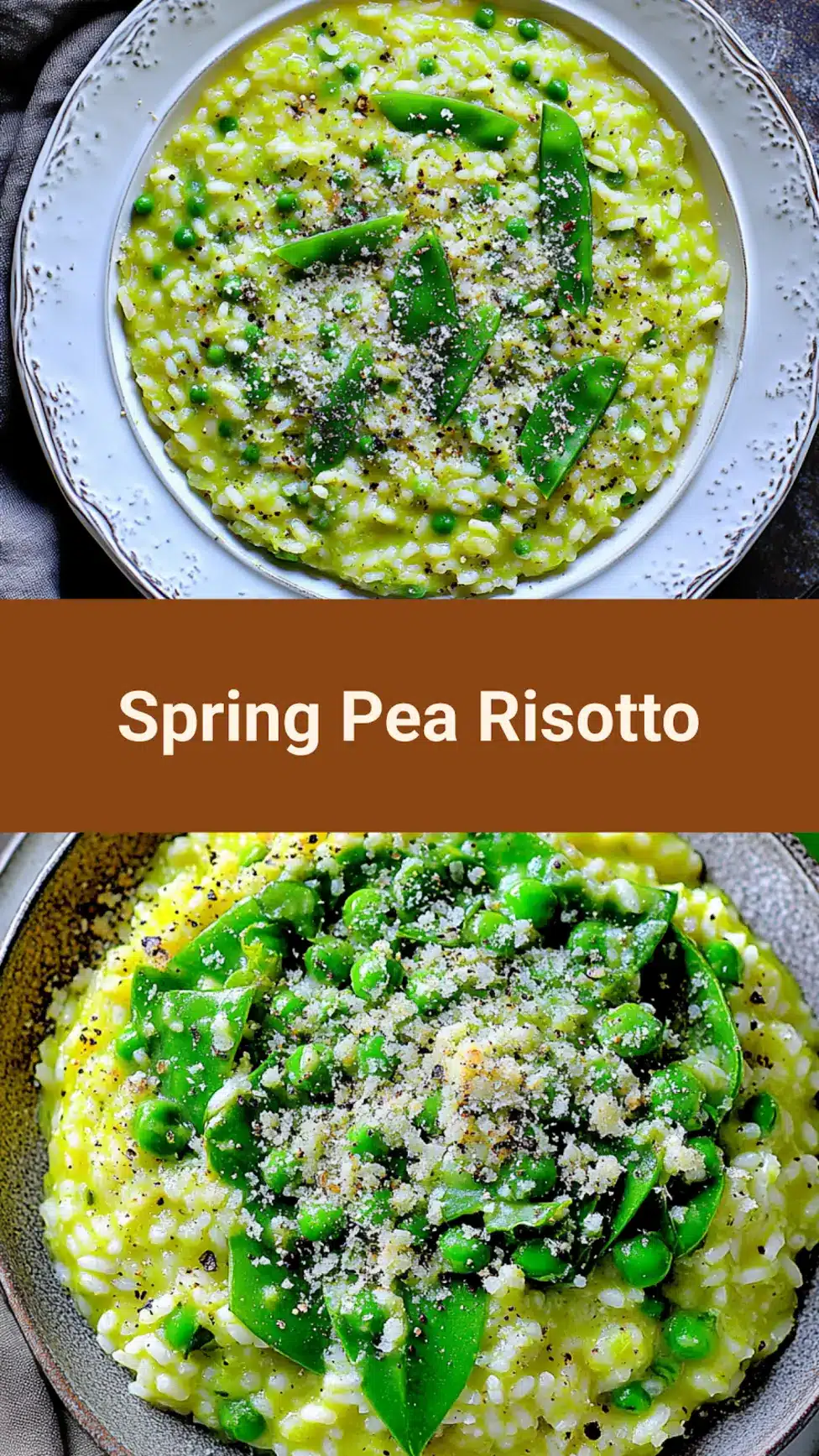
This spring pea risotto comes together in under 40 minutes and rewards you with creamy, bright-green comfort that tastes like the season finally turned. You’ll love how it turns outsilky, fragrant, and just fancy enough to feel special on a regular Tuesday. The mint and lemon wake everything up, and that little drizzle of truffle oil at the end makes it feel like you treated yourself without much effort at all.
A trick I picked up from testing this over and over: reserve some of that starchy cooking liquid before you fold in the cheeseit helps loosen leftovers beautifully the next day. If you want to stretch it into more servings, toss in some sautéed asparagus or blanched fava beans alongside the peas. And honestly, a handful of crispy prosciutto on top adds a salty crunch that’s hard to resist. Store any extras in the fridge for up to three days, and reheat gently with a splash of broth to bring back that creamy texture.
I’d love to see how yours turns outtag me if you share a photo, or tell me in the comments if you added your own twist. Did you grow up eating risotto, or is this your first time stirring one together? Either way, I hope this becomes one of those recipes you turn to when you need dinner to feel a little softer and a lot more like spring. Some nights just need an easy dinner that still feels like home.