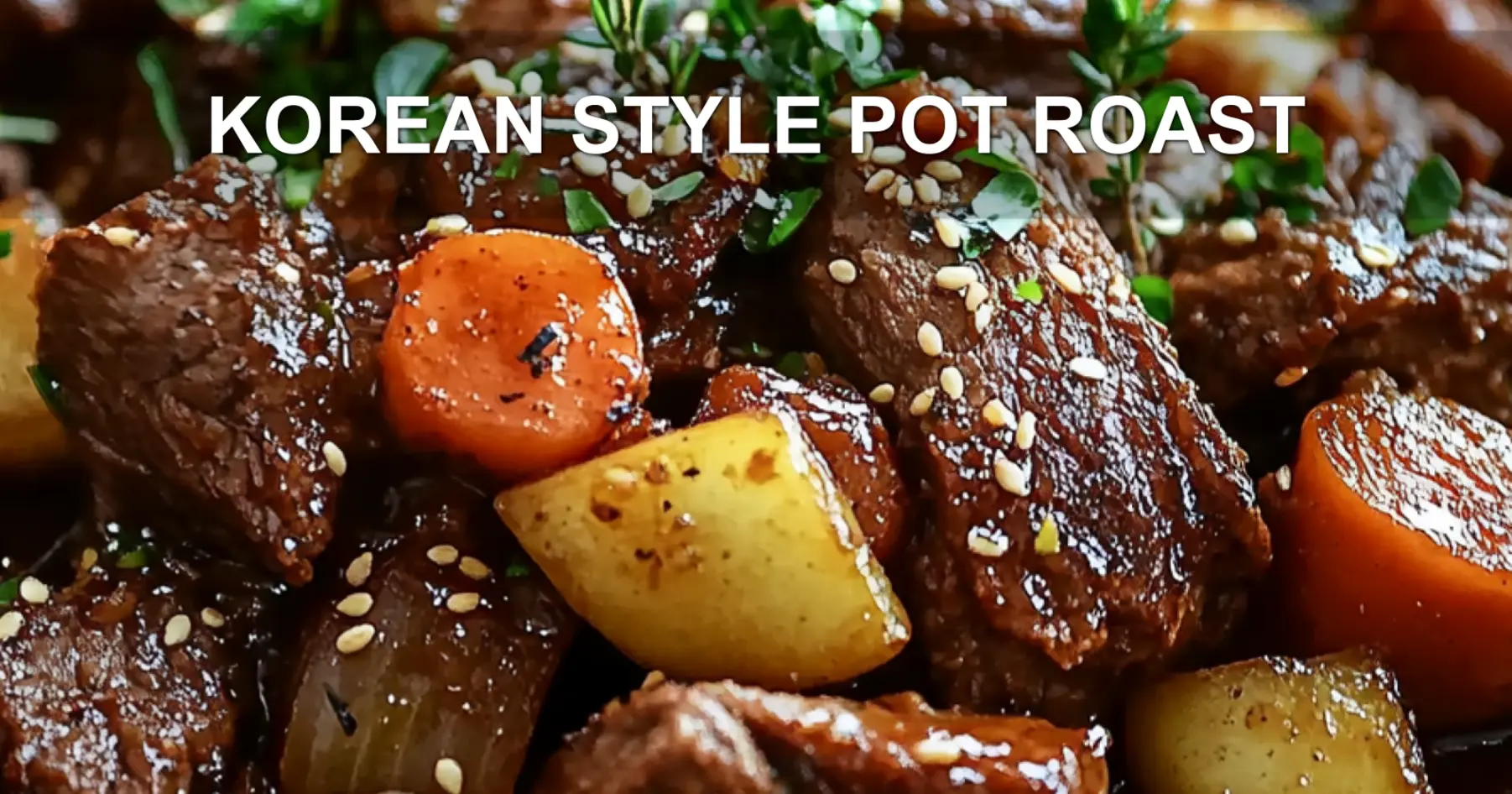
The rich aroma of soy and garlic simmering together takes me back to cold evenings when comfort meant something warm and deeply satisfying. This Korean style pot roast brings together the familiar tenderness we crave with bold, warming spices that hug you from the inside out. It’s the kind of meal that makes Sunday dinners feel special again.
This recipe transforms humble chuck roast into something extraordinary using gochujang, soy sauce, and fresh ginger. The meat becomes fork-tender while soaking up those sweet and spicy Korean flavors – like your favorite pot roast, but with a beautiful twist that’ll have everyone asking for seconds. Full details in the blog!
I learned early that the best meals come from blending what we know with something new and exciting. After testing this dish countless times in my own kitchen, watching how the flavors develop and deepen, I know it’ll become part of your family’s story too. The secret is in the balance – you’ll taste it right away.
PrintKorean Style Pot Roast Recipe Easy and Delicious

This Korean Style Pot Roast combines hearty comfort and bold Korean flavors for a delicious meal. The Gochujang Pot Roast Recipe features tender beef with a savory soy and chili paste sauce. Enjoy a Korean Beef Pot Roast perfect for family dinners or special occasions.
- Prep Time: 15 minutes
- Cook Time: 4 hours
- Total Time: 4 hours 15 minutes
- Yield: 6 Servings 1x
- Category: Main Course
- Method: Slow Cooker
- Cuisine: Korean
- Diet: Standard
Ingredients
- 3–4 lbs Chuck roast Ideal for slow cooking due to its marbling
- Salt and black pepper For seasoning before searing
- ½ cup soy sauce
- 2 tbsp gochujang Korean chili paste
- 3 tbsp sesame oil
- 3 cloves garlic minced
- 1– inch ginger grated
- 2 tbsp honey or brown sugar
- ½ cup Korean pear or apple grated
- 1 tbsp rice vinegar
- 3 carrots peeled and cut into chunks
- 2 potatoes peeled and quartered
- 1 onion sliced
- Optional 1 Korean radish sliced
- Sliced green onions
- Sesame seeds
Instructions
- Dry the beef and sprinkle salt and black pepper all over.
- Heat some sesame oil in a large pan over medium-high heat and brown the beef on every side to seal in the juices.
- Mix together the soy sauce, gochujang, sesame oil, minced garlic, grated ginger, honey, and grated Korean pear until well combined.
- Put the browned beef in a slow cooker or heavy pot and pour the sauce on top, coating evenly.
- Add the onion slices, carrots, potatoes, and optional Korean radish around the beef.
- For a slow cooker, cook on low for 8 hours or high for 4 to 5 hours; for stovetop, simmer covered on low for 3 to 4 hours, checking to keep moist.
- Transfer the meat to a serving dish, arrange vegetables around it, ladle sauce over, and garnish with green onions and sesame seeds.
Nutrition
- Calories: 425 kcal
Why This Korean Style Pot Roast Will Win Your Heart
There’s something deeply satisfying about watching a tough piece of chuck roast transform into tender, soul-warming comfort. This Korean style pot roast takes that familiar warmth and wraps it in the bold, nurturing flavors I’ve treasured for decades.
The gochujang brings just enough heat to warm your cheeks, while the soy sauce and sesame oil create a rich, savory base that makes every bite taste like home. What I love most is how the Korean pear adds a subtle sweetness that perfectly balances every flavor.
- Fork-tender results: The chuck roast becomes so tender it practically falls apart
- Balanced flavors: Sweet, spicy, and umami notes dance together beautifully
- One-pot simplicity: Everything cooks together, making cleanup a breeze
The Magic Behind Each Ingredient
Every ingredient in this recipe has a purpose, much like how my grandmother used to explain cooking to me. The chuck roast is your foundationits marbling melts into pure tenderness during the long, slow cooking process.
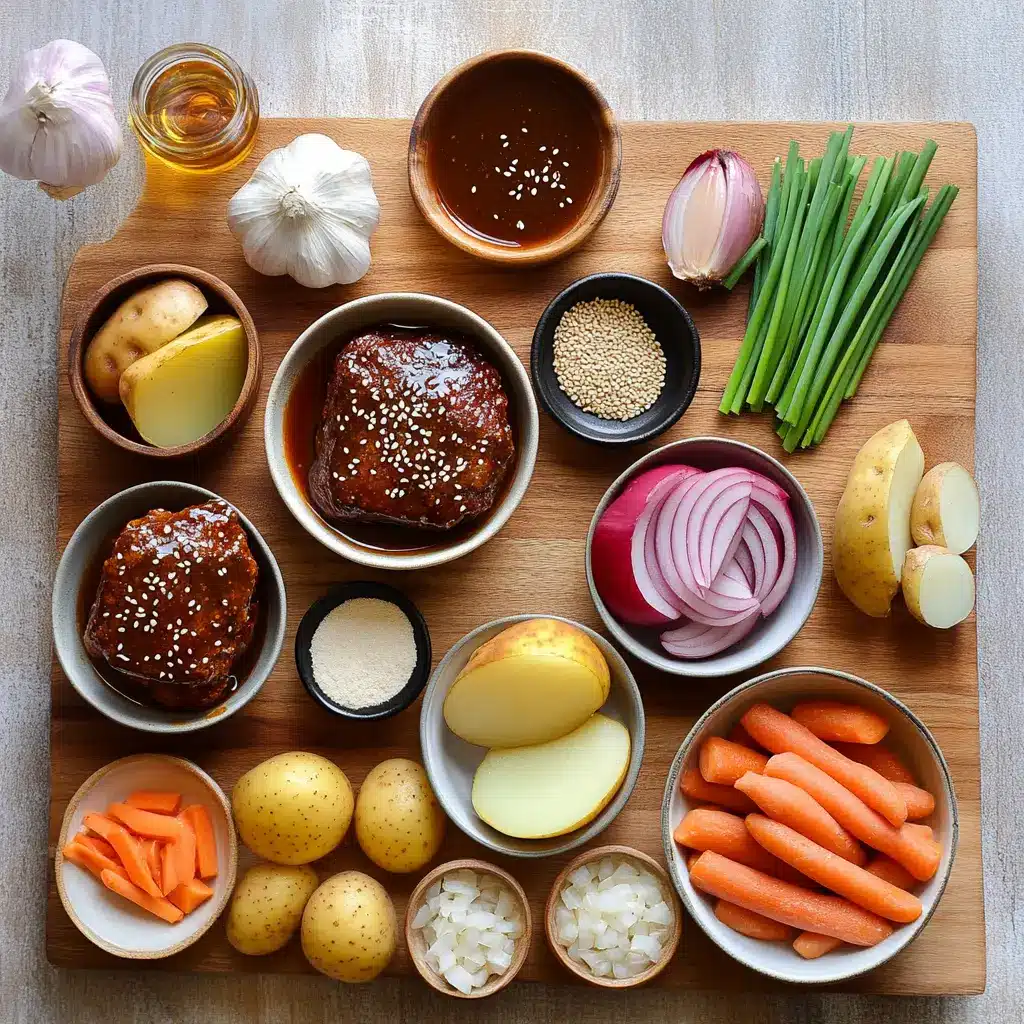
The gochujang might seem intimidating if you’re new to Korean cooking, but it’s really just fermented chili paste that adds depth and warmth rather than harsh heat. Combined with grated Korean pear, it creates a beautiful sweet-spicy harmony that makes this gochujang pot roast recipe so special.
| Ingredient | Purpose | Can’t Find It? |
|---|---|---|
| Gochujang | Adds fermented heat and depth | Use sriracha + miso paste |
| Korean pear | Natural tenderizer and sweetness | Regular apple works perfectly |
| Korean radish | Absorbs flavors, adds texture | Regular radish or turnips |
| Sesame oil | Rich, nutty finish | Use sparingly – a little goes far |
How the Magic Happens Step by Step
The secret to this Korean beef pot roast is building layers of flavor, starting with a beautiful sear on your chuck roast. Don’t skip thisit’s where those deep, caramelized flavors begin their journey.
When you mix the sauce, take a moment to combine everything well until smooth. Gochujang can be a bit stubborn, but once it’s glossy and incorporated, you’ll have a gorgeous mixture that coats everything beautifully.
- Searing first: Creates a flavorful crust that locks in juices
- Sauce mixing: Whisk until completely smooth for even flavor distribution
- Vegetable timing: Hardy vegetables like carrots and potatoes go in from the start
- Low and slow: Patience rewards you with incredibly tender meat
Timing Your Perfect Pot Roast
Timing can feel tricky with pot roast, but this method is wonderfully forgiving. Whether you’re using a slow cooker or a traditional Dutch oven, the key is low, steady heat that gradually breaks down tough fibers.
| Cooking Method | Temperature | Time | When It’s Done |
|---|---|---|---|
| Slow Cooker – Low | Low setting | 8 hours | Shreds easily with fork |
| Slow Cooker – High | High setting | 4-5 hours | Tender throughout |
| Dutch Oven | 275°F oven | 3-4 hours | Internal temp 195°F+ |
| Stovetop | Low simmer | 3-4 hours | Check liquid every hour |
When Things Don’t Go Quite Right
Even the most experienced cooks run into hiccups, and I’ve learned most pot roast troubles have simple fixes. If your sauce tastes too salty, a bit more honey can balance it out.
Too spicy? Add another grated apple or pear to mellow the heat. Not tender enough? Give it another hourtough meat just needs more time to surrender to the gentle heat.
- Sauce too thin: Mix a tablespoon of cornstarch with cold water, stir into the pot
- Vegetables mushy: Add them during the last 2 hours of cooking next time
- Meat still tough: Keep cookingit will eventually become tender
Making It Your Own
The beauty of this recipe is how well it adapts to what you have on hand or what your family loves most. I’ve made this with regular onions when Korean radish wasn’t available, and it was just as satisfying.
Some prefer it sweeterjust add an extra tablespoon of honey. Others want more heat, so they double the gochujang. This slow cooker Korean pot roast warmly welcomes your personal touches.
- Vegetable swaps: Try parsnips, sweet potatoes, or mushrooms
- Heat level: Start with less gochujang and add more to taste
- Sweetness balance: Honey, brown sugar, or extra fruit all work beautifully
Serving and Storing Your Masterpiece
This pot roast shines served family-style on a large platter, surrounded by tender vegetables and drizzled with rich cooking liquid. The sesame seeds and green onions aren’t just decorativethey add wonderful texture and fresh flavor.
Leftovers taste even better the next day, after the flavors have had time to meld. I love shredding the leftover meat for sandwiches or serving it over rice for a different but equally satisfying meal.
| Storage Method | Duration | Best Use |
|---|---|---|
| Refrigerator | 3-4 days | Reheat gently in covered dish |
| Freezer (sliced) | 3 months | Thaw overnight, reheat with liquid |
| Freezer (shredded) | 4 months | Perfect for sandwiches or rice bowls |
Expert Says
Cooking Korean style pot roast requires low and slow braising to break down collagen in tougher cuts of meat, ensuring tenderness and flavor. The addition of ingredients like soy sauce and ginger not only enhances taste but also contributes beneficial antioxidants, making this dish a nourishing choice for your table.
For more delicious recipes and cooking inspiration, follow me on Facebook, Pinterest and Reddit!
A Heartfelt Korean Style Pot Roast Journey
Perfecting my Korean style pot roast was a labor of love spanning weeks, filled with too-salty experiments and just-the-right-amount-of-gochujang moments. Each attempt brought me closer to that tender, savory bliss. Now, sharing it feels like inviting everyone to our family tablerich with flavor and tradition.
FAQs ( Korean Style Pot Roast )
How long does it take to cook the pot roast?
This dish typically takes about 3 to 4 hours in a slow cooker on low heat or around 2 to 3 hours in a Dutch oven at a low simmer. Cooking time can vary based on the size of the roast, so it’s best to check for tenderness to ensure it’s perfectly cooked.
What cuts of meat are best for this recipe?
Chuck roast is a popular choice for this meal due to its marbling and ability to become tender through slow cooking. Other good options include brisket or shoulder cuts, which also work well with the flavorful marinade.
Can I make this in a slow cooker?
Yes, using a slow cooker is a fantastic way to prepare this dish! It allows the flavors to meld beautifully while the beef slowly becomes tender. Just set it on low for 8 hours or high for about 4 hours for best results.
What sides pair well with this meal?
Serve this dish alongside steamed rice, sautéed greens, or even pickled vegetables for a balanced meal. The flavors compliment each other wonderfully, creating a hearty and satisfying dining experience.
Can I freeze leftovers?
Absolutely! Leftover roast can be stored in an airtight container and frozen for up to three months. Defrost it in the refrigerator overnight before reheating for the best texture and flavor retention.
A Recipe Worth Sharing
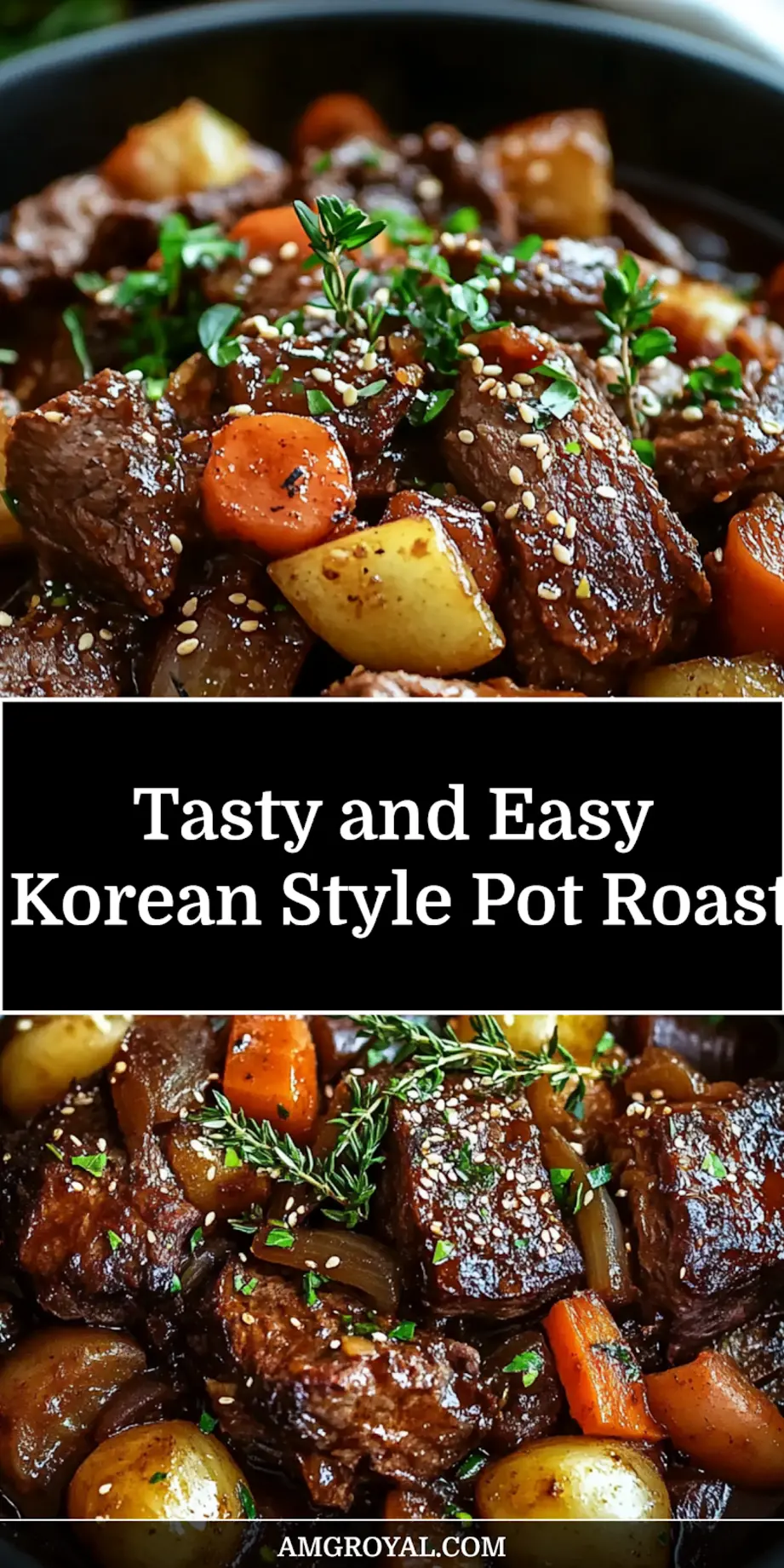
After slow cooking for hours, this Korean style pot roast becomes beautifully tender, with warming gochujang flavors melding into every bite. You’ll love how the meat practically falls apart while the vegetables soak up all the rich, savory goodness. The aroma alone will have your family gathering in the kitchen well before dinner is ready.
A little trick from my kitchen: try serving leftovers over steamed rice with a fried egg on top for a completely different meal. If you can’t find Korean pear, regular apples work wonderfully too. The pot roast keeps beautifully in the fridge, and honestly tastes even better reheated the next evening.
I’d love to hear how this recipe brings your family together around the dinner table. Did the flavors remind you of a special meal from your past? Please share a photo when you make itthere’s something heartwarming about seeing these recipes come to life in kitchens everywhere, creating new memories one tender bite at a time.